
As pet owners, we love sharing our lives with our furry companions. Those pleading eyes at the dinner table can be hard to resist, but what seems like a harmless treat could actually be dangerous. Understanding which toxic foods for pets lurk in your kitchen is essential for keeping your beloved animals safe and healthy.
Many common human foods that we enjoy daily can cause serious health problems for our pets, ranging from mild digestive upset to life-threatening emergencies. This comprehensive guide will help you identify the toxic foods for pets that should never make it into your dog’s or cat’s bowl.
Table of Contents
Why Are Some Human Foods Toxic to Pets?

Before diving into the list, it’s important to understand why certain foods affect pets differently than humans. Pets have different metabolic systems, and their bodies process substances in unique ways. What’s perfectly safe for human consumption can be poisonous to animals because they lack specific enzymes needed to break down certain compounds.
Dogs and cats have different digestive systems, body sizes, and biological mechanisms compared to humans. This means that even small amounts of certain toxic foods for pets can cause severe reactions, while foods we consider healthy might overload their systems with substances they cannot properly process.
The Most Dangerous Toxic Foods for Pets
1. Chocolate
Chocolate tops the list of toxic foods for pets, and for good reason. It contains theobromine and caffeine, both of which are methylxanthines that pets cannot metabolize effectively. While humans can process these compounds easily, they build up to dangerous levels in pets.
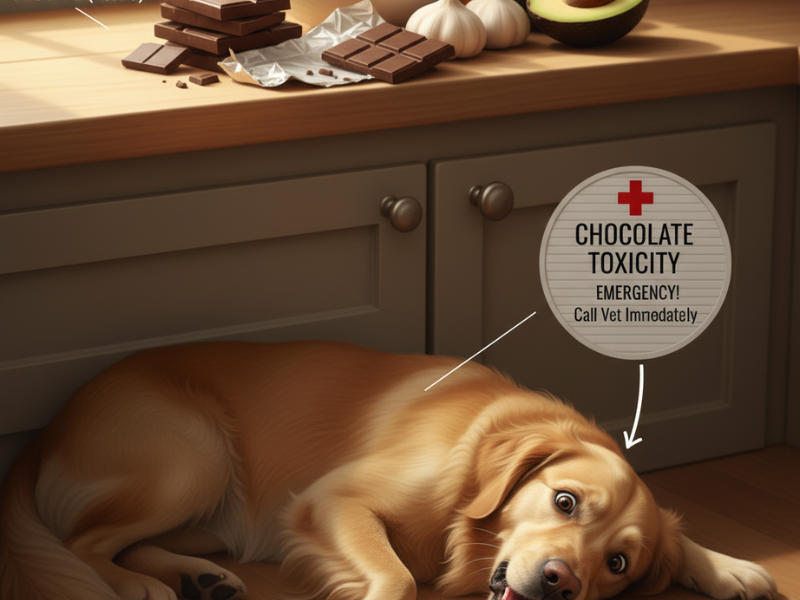
Why it’s dangerous: Dark chocolate and baking chocolate are particularly hazardous because they contain higher concentrations of theobromine. Even small amounts can cause vomiting, diarrhea, rapid breathing, increased heart rate, and seizures. In severe cases, chocolate poisoning can be fatal.
Toxic dose: As little as 20mg of theobromine per kilogram of body weight can cause problems. A single ounce of dark chocolate contains approximately 130-450mg of theobromine.
2. Grapes and Raisins
These seemingly innocent fruits are among the most mysterious toxic foods for pets. Scientists still don’t fully understand which compound causes toxicity, but the effects are undeniable and can be devastating.
Why it’s dangerous: Grapes and raisins can cause sudden kidney failure in dogs. Even small amounts have caused severe reactions in some pets, while others may consume larger quantities without obvious effects. However, since there’s no way to predict which pets will react severely, all grapes and raisins should be avoided entirely.
Symptoms: Vomiting, lethargy, loss of appetite, abdominal pain, decreased urination, and kidney failure can occur within 24-72 hours of ingestion.
3. Onions and Garlic
All members of the allium family, including onions, garlic, leeks, chives, and shallots, are toxic foods for pets. Many pet owners don’t realize that garlic, often touted for health benefits in humans, can be extremely harmful to animals.
Why it’s dangerous: These vegetables contain compounds called thiosulfates that damage red blood cells in pets, leading to hemolytic anemia. The damage is cumulative, meaning repeated small exposures can be just as dangerous as one large dose.
Toxic dose: Garlic is approximately five times more potent than onions. Just 5 grams of onion per kilogram of body weight can cause toxicity. Symptoms may not appear for several days after ingestion.
4. Xylitol
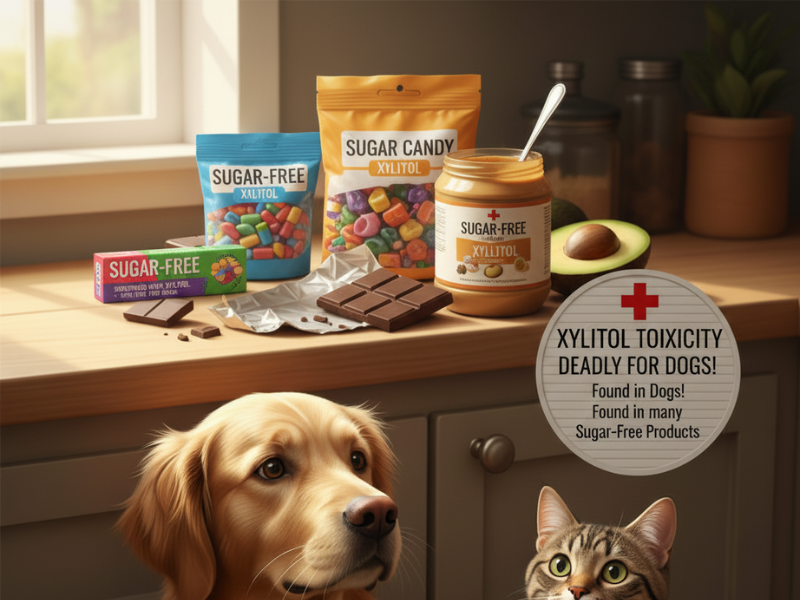
This artificial sweetener has become increasingly common in sugar-free products, making it one of the most dangerous toxic foods for pets in modern households.
Why it’s dangerous: Xylitol causes a rapid release of insulin in dogs, leading to severe hypoglycemia (low blood sugar) within 10-60 minutes of ingestion. It can also cause liver failure. Even small amounts from sugar-free gum, candy, baked goods, or peanut butter can be life-threatening.
Found in: Sugar-free gum, candy, baked goods, some peanut butters, mouthwash, toothpaste, vitamins, and certain medications.
5. Avocado
While avocado toast might be your favorite breakfast, it belongs on the list of toxic foods for pets. The entire plant contains a toxin called persin.
Why it’s dangerous: Persin can cause vomiting and diarrhea in dogs and cats. Birds and pocket pets like rabbits and guinea pigs are even more sensitive and can develop severe respiratory distress and heart problems. The pit also poses a choking hazard and can cause intestinal blockage.
6. Alcohol
Any alcoholic beverage or food containing alcohol is extremely dangerous for pets. This includes beer, wine, liquor, and foods cooked with alcohol.
Why it’s dangerous: Pets are much more sensitive to alcohol’s effects than humans. Even small amounts can cause intoxication, leading to vomiting, diarrhea, difficulty breathing, tremors, disorientation, and potentially coma or death. Alcohol also causes dangerous drops in blood sugar, blood pressure, and body temperature.
7. Macadamia Nuts
These nuts are specifically toxic to dogs, though the toxic principle is still unknown. They’re definitely among the toxic foods for pets that should be kept well out of reach.
Why it’s dangerous: Macadamia nuts cause weakness, depression, vomiting, tremors, and hyperthermia in dogs. Symptoms usually appear within 12 hours and can last up to 48 hours. While rarely fatal, the symptoms are distressing and painful for your pet.
Toxic dose: As few as 6 nuts can cause symptoms in a medium-sized dog.
8. Raw Dough with Yeast
Unbaked bread dough containing yeast is a double threat and belongs firmly on any list of toxic foods for pets.
Why it’s dangerous: First, the warm, moist environment of a pet’s stomach is perfect for yeast fermentation, causing the dough to expand and potentially leading to bloat or gastric dilation-volvulus, both life-threatening conditions. Second, the fermenting yeast produces alcohol, which causes alcohol poisoning as described above.
9. Caffeine
Beyond chocolate, caffeine appears in coffee, tea, energy drinks, and certain medications. All caffeinated products are toxic foods for pets.
Why it’s dangerous: Like theobromine, caffeine is a methylxanthine that pets cannot metabolize properly. It causes hyperactivity, restlessness, rapid breathing, heart palpitations, muscle tremors, and seizures. Severe cases can be fatal.
Found in: Coffee grounds, coffee beans, tea bags, energy drinks, soda, diet pills, and some pain medications.
10. Bones (Cooked)
While raw bones may be acceptable in some circumstances, cooked bones are dangerous and considered toxic foods for pets in the sense that they pose serious health risks.
Why it’s dangerous: Cooking makes bones brittle and prone to splintering. These sharp fragments can puncture the digestive tract, cause choking, break teeth, or create intestinal blockages. Poultry bones are especially hazardous.
Additional Toxic Foods for Pets to Avoid
Dairy Products
While not acutely toxic, many pets are lactose intolerant. Milk, cheese, and ice cream can cause digestive upset, diarrhea, and discomfort. Some pets tolerate small amounts, but dairy should generally be avoided.
Salt and Salty Snacks
Excessive salt consumption can lead to sodium ion poisoning. Symptoms include vomiting, diarrhea, tremors, elevated body temperature, and seizures. Avoid sharing chips, pretzels, and heavily salted foods.
Nutmeg
This common spice contains myristicin, which can cause disorientation, increased heart rate, high blood pressure, hallucinations, and seizures in pets.
Raw or Undercooked Meat and Eggs
These can contain Salmonella or E. coli bacteria, posing risks similar to those in humans. Raw eggs also contain an enzyme that interferes with biotin absorption, potentially causing skin and coat problems.
Apple Seeds, Cherry Pits, and Stone Fruits
The seeds and pits of many fruits contain cyanogenic glycosides that release cyanide when digested. While small amounts may not cause immediate harm, they’re best avoided entirely.
Mushrooms
While some mushroom varieties are safe, many wild mushrooms are extremely toxic. Since accurate identification is difficult, it’s safest to keep all mushrooms away from pets.
What to Do If Your Pet Eats Toxic Foods
Despite our best efforts, accidents happen. If you suspect your pet has consumed any toxic foods for pets, quick action is essential:
Immediate steps:
- Stay calm but act quickly
- Identify what was eaten and how much
- Call your veterinarian immediately or contact the Pet Poison Helpline (855-764-7661) or ASPCA Animal Poison Control Center (888-426-4435)
- Do not induce vomiting unless specifically instructed by a veterinarian
- Do not wait for symptoms to appear before calling
Information to provide:
- Your pet’s weight and species
- What was consumed and approximately how much
- When the ingestion occurred
- Any symptoms your pet is showing
Time is critical when dealing with toxic foods for pets. Early intervention often makes the difference between a full recovery and serious complications.
Creating a Pet-Safe Home
Prevention is always better than treatment. Here are practical steps to protect your pets from toxic foods:
In the kitchen:
- Store all human food in secure cabinets or on high shelves
- Use trash cans with locking lids
- Clean up spills immediately
- Never leave food unattended on counters or tables
- Educate all family members about toxic foods for pets
During meals:
- Resist those pleading eyes
- Teach children never to share their food with pets
- Create a separate space for your pet during mealtimes
- Provide pet-safe treats as alternatives
Special occasions:
- Be extra vigilant during holidays and parties
- Inform guests about what they shouldn’t feed your pet
- Keep wrapped chocolates and candy dishes out of reach
- Secure garbage bags containing food waste
Safe Treat Alternatives
Instead of sharing human food, offer these pet-safe options:
For dogs:

- Carrots
- Green beans
- Plain cooked chicken or turkey
- Blueberries
- Watermelon (seedless)
- Plain cooked sweet potato
For cats:
- Plain cooked chicken or turkey
- Plain cooked fish
- Small amounts of cooked egg
- Commercial cat treats
Always introduce new foods gradually and in moderation, even safe ones.
Understanding Labels and Hidden Dangers
Many processed human foods contain hidden toxic foods for pets. Always check ingredient labels for:
- Xylitol in sugar-free products
- Onion or garlic powder in seasonings
- Chocolate in desserts and protein bars
- Caffeine in energy supplements
- Raisins in trail mixes and baked goods
Pet-specific foods are formulated to meet their nutritional needs safely. Stick to high-quality pet food as the main diet, using treats sparingly.
Your pet depends on you to make safe choices about their diet. While it’s tempting to share your meals with your furry friend, understanding which toxic foods for pets to avoid is crucial for their health and longevity. Many human foods that seem harmless can cause serious health problems or even be fatal to pets.
By familiarizing yourself with this list of toxic foods for pets and taking preventive measures in your home, you can protect your companion from accidental poisoning. Remember, if your pet does consume something dangerous, immediate veterinary care is essential. Keep emergency numbers readily available, and never hesitate to call for professional advice.
The best way to show love to your pet isn’t through table scraps—it’s through informed, responsible care that keeps them healthy and by your side for years to come. When in doubt about whether a food is safe, the answer is simple: don’t risk it. Stick to pet-appropriate foods and treats, and you’ll have peace of mind knowing you’re doing everything possible to keep your beloved companion safe from toxic foods for pets.
Remember:
This list covers the most common toxic foods for pets, but it’s not exhaustive. Always research before offering any human food to your pet, and consult your veterinarian if you have questions about your pet’s diet or if you suspect they’ve ingested something harmful. Your pet’s safety is worth the extra caution.
Learn more about pet care : Articles