
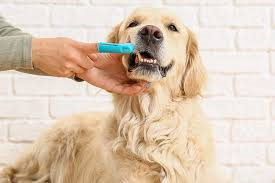
Pet dental care is an essential part of keeping your furry friend healthy and happy. Regular brushing, proper diet, and professional cleanings can prevent bad breath and gum problems.
🐶 Why Pet Dental Care Is Essential for Your Furry Friend
When we think about pet health, we often focus on food, exercise, and grooming. But dental care? Many pet owners overlook it — and that’s where trouble starts.
🦷 The Shocking Truth
According to veterinarians, over 70% of cats and 80% of dogs show signs of dental disease by the age of three. Left untreated, this can cause serious problems:
📌Painful gums and tooth loss
📌Bacterial infections
📌Damage to the heart, kidneys, and liver
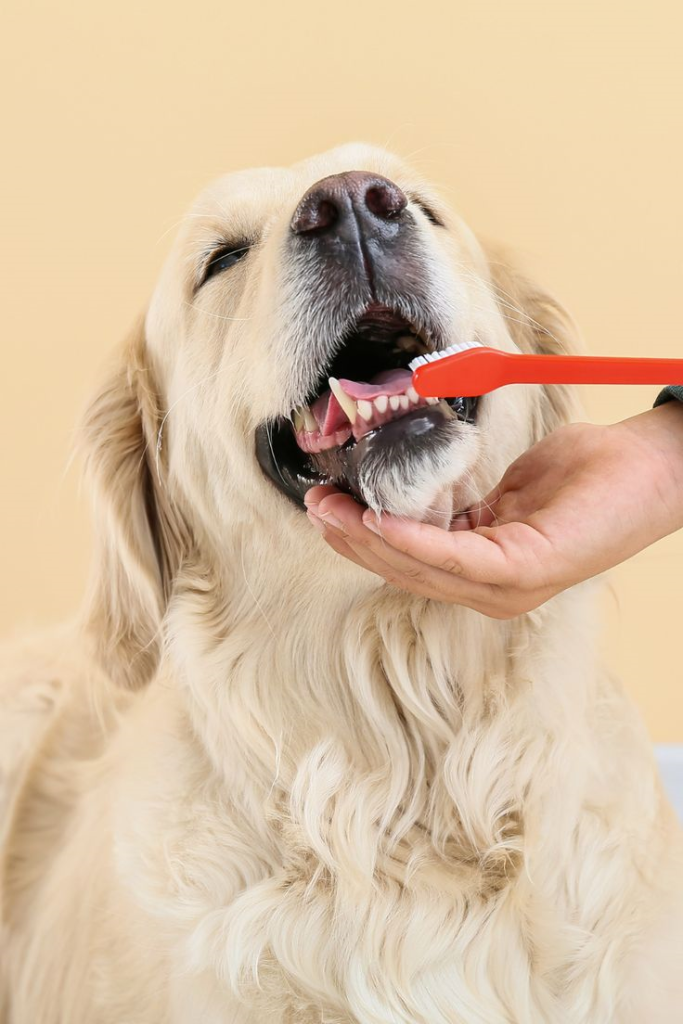
Your pet’s mouth is more than just a cute smile — it’s a window into their overall health. 🐾
🦴 Understanding Your Pet’s Teeth
Before you grab the toothbrush, let’s understand those tiny (but mighty) teeth!
Dog Teeth Facts 💡
🐕 Adult dogs have 42 teeth — incisors, canines, premolars, and molars. These help them chew, play, and protect.
Cat Teeth Facts 💡🐱
🐱 Adult cats have 30 teeth, with sharp canines perfect for hunting. But they’re also prone to plaque buildup.
Pro Tip: Start dental care early, ideally when your pet’s adult teeth come in — around 6 months of age.
😬 Common Dental Problems in Pets
Your pet might not complain, but their mouth could be telling you something.
🦷 Plaque and Tartar
Food particles + bacteria = plaque.
If not brushed off, it hardens into tartar — the yellowish crust on teeth.
Read More 👉 : https://vcahospitals.com/know-your-pet/tartar-prevention-in-dogs
🩸 Gingivitis
Early gum disease caused by plaque buildup. You’ll notice red, inflamed gums and bad breath.
Read More 👉 : https://www.westgatevet.com/site/blog/2022/11/05/gingivitis-dogs
⚠️ Periodontal Disease
Advanced infection that affects gums and jawbone — leading to tooth loss and organ damage.
Read More 👉 : https://www.petmd.com/dog/conditions/mouth/periodontal-disease-dogs
🐕 Bad Breath (Halitosis)
It’s not “just doggy breath.” Persistent odor means bacteria are at work.
Read More 👉 : https://www.petmd.com/dog/symptoms/bad-breath-dogs-causes-treatment
🐱 Tooth Resorption (Cats Only)
A painful condition where a cat’s tooth structure breaks down. Cats may drool or avoid eating.
Read More 👉 : https://www.petmd.com/cat/conditions/mouth/c_ct_Feline_Tooth_Resorption
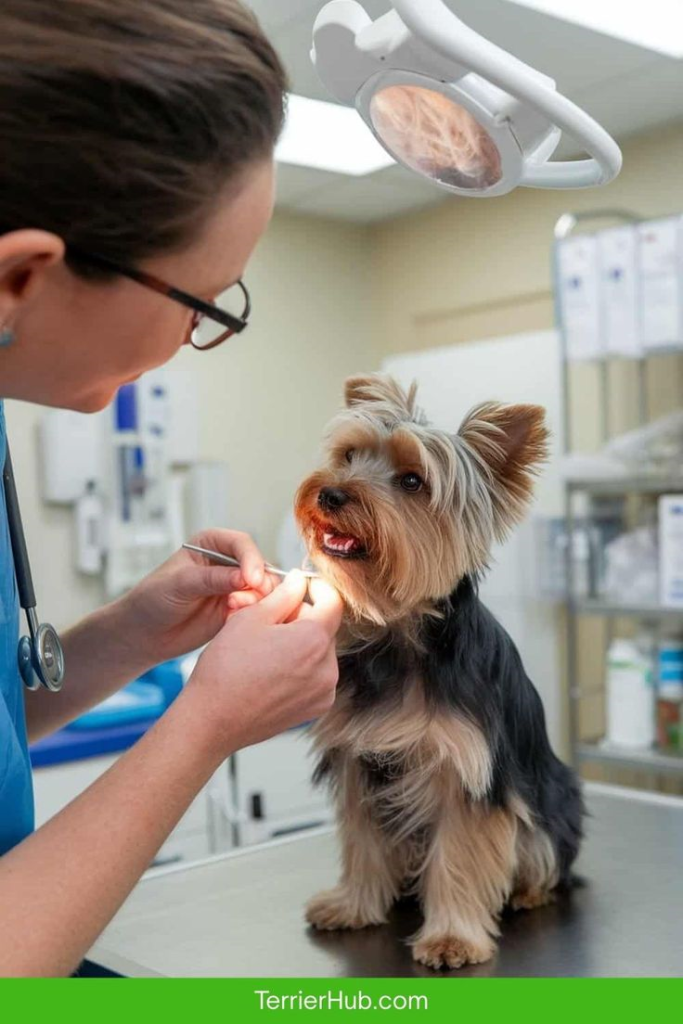
Watch for these warning signs:
🟨 Bad breath
🟩 Yellow or brown teeth
🟦 Red or bleeding gums
🟥 Drooling
🟧 Difficulty eating
🟪 Pawing at the mouth
If you spot any, it’s vet time! 🩺
🐾 How to Brush Your Pet’s Teeth (Without Getting Bitten 😅)
Yes, you can brush your pet’s teeth — and it’s easier than you think! 😉
Step-by-Step Guide 👁️🗨️
1️⃣ Get Pet-Safe Supplies
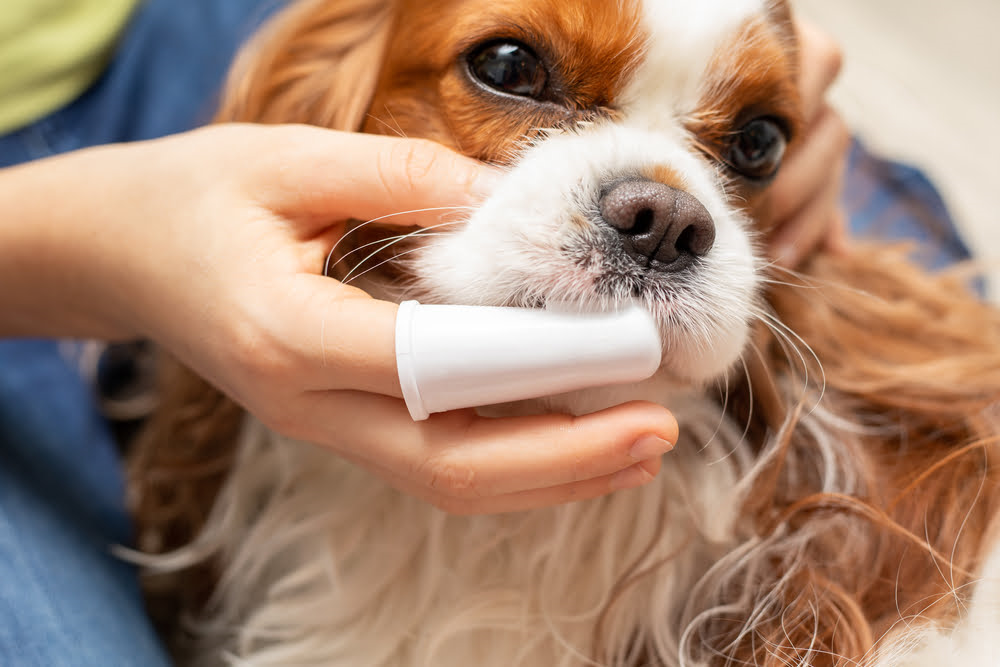
🐾 Pet toothbrush or finger brush
🐾 Pet toothpaste (never human paste!)
2️⃣ Start Slowly
🐾 Let your pet sniff the brush and lick the paste. Reward with praise or treats.
3️⃣ Gentle Brushing
🐾 Lift their lip gently and brush in small circles. Focus on outer teeth surfaces where plaque builds up most.
4️⃣ Keep Sessions Short
🐾 Start with 30 seconds and slowly increase the time.
5️⃣ Reward Time!
After brushing, offer a dental chew or cuddle. Positive vibes make it easier next time!
Frequency: Aim for daily brushing, or at least 3–4 times a week.
🍎 Foods & Treats That Naturally Clean Teeth
You can boost your pet’s dental health through smart food choices!
🦴 Dental Chews
Look for VOHC-approved (Veterinary Oral Health Council) dental sticks. These help scrub away plaque as your pet chews.
🐕 Crunchy Veggies
Carrots, apples, and cucumbers work as natural teeth cleaners for dogs. (Avoid grapes or onions — they’re toxic!)
🥩 Special Dental Diets
Certain kibble is designed to reduce tartar. Ask your vet for recommendations.
💧 Water Additives
Add vet-approved dental water additives to your pet’s drinking water to fight bacteria.

🚫 Common Myths About Pet Dental Care — Busted!
Let’s clear up some myths that put pets at risk:
🦴 Myth 1: “Bones clean teeth.”
👉 Hard bones can actually crack teeth — go for soft dental chews instead.
🐕 Myth 2: “Pets don’t need brushing.”
👉 Wrong! Domestic pets eat soft food, which doesn’t clean their teeth naturally.
🐾 Myth 3: “Bad breath is normal.”
👉 Nope. It’s a major sign of infection.
🐱 Myth 4: “Only old pets have dental issues.”
👉 Even young pets can develop plaque within days.
🏥 Professional Pet Dental Cleaning at the Vet
Even the best home routine can’t replace professional dental cleaning
What Happens During a Vet Cleaning:
1️⃣ Examination: The vet checks teeth and gums for disease.
2️⃣ Anesthesia: Keeps your pet still and pain-free.
3️⃣ Scaling & Polishing: Removes plaque and tartar from all surfaces.
4️⃣ X-rays (if needed): Detects hidden problems below the gumline.
5️⃣ Aftercare: Pets go home fresh, clean, and pain-free!
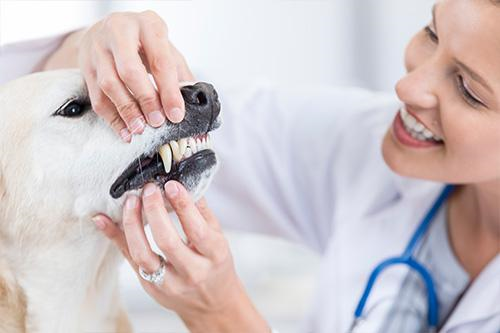
Tip: Most pets need this once a year. Small breeds may need it twice.
🐾 Daily & Weekly Dental Routine Checklist
Daily:
✅ Brush teeth or use dental wipes.
✅ Give safe chew toys or dental treats.
Weekly:
✅ Check gums for redness or swelling.
✅ Wash food and water bowls.
Monthly:
✅ Examine your pet’s mouth with a flashlight.
Yearly:
✅ Schedule a professional dental checkup.
🌧️ Rainy Season Pet Dental Care Tips
Rainy weather can make pets lazy and change their routines — but dental care shouldn’t stop!
- Keep them indoors after brushing (to avoid cold irritation).
- Offer indoor chew toys to stay active.
- Avoid sticky wet treats that cling to teeth.
- Dry their mouth gently after outdoor walks.
Even on rainy days, a clean mouth means a happy pet!
🧬 Breeds That Need Extra Dental Attention
Certain breeds are more prone to dental issues:
🐶 Dogs
- Small breeds (Chihuahua, Pomeranian, Shih Tzu)
- Flat-faced breeds (Bulldog, Pug)
🐱 Cats
- Persians and Siamese often face gum and tooth resorption problems.
If your pet is on this list, schedule dental checkups twice a year.
❤️ Final Thoughts
Your pet gives you endless love, loyalty, and laughter — all they ask in return is care.
By brushing their teeth, feeding them right, and keeping up with vet visits, you’re giving them something priceless: a healthy, pain-free life.
So, next time you see that cute little yawn or doggy grin, remember — behind every smile is a story of care.
Let’s make every pet’s smile shine brighter! 🐶🐱💖
Regular vet checkups not only protect your pet’s teeth but also prevent serious health issues like cancer. Read more about Pet Cancer Awareness.