

Introduction
Pets are more than just animals – they’re family. Whether it’s a wagging tail greeting you at the door or the comforting purr of a cat on your lap, pets bring endless love and joy into our lives. But just like humans, they need consistent care to stay healthy and happy.
Pet care is more than just feeding and grooming – it’s about creating a healthy, happy, and safe environment for your furry friend. In this guide, we’ll explore everything you need to know about keeping your pet’s health and wellness in top shape.
Table of Contents
1. Understanding Pet Health and Wellnes
Pet wellness isn’t only about treating sickness – it’s about preventing illness and promoting holistic health. A balanced approach to nutrition, physical activity, emotional care, and regular veterinary attention forms the foundation of a healthy pet lifestyle.
What Wellness Really Means for Pets 💡

Wellness includes:
- Safe and clean living environments
- Proper nutrition
- Routine exercise
- Mental stimulation
- Regular checkups
- Emotional bonding
Each element contributes to a pet’s quality of life and longevity.
2. Nutrition: The Foundation of Health
A well-balanced diet is the first step to ensuring your pet’s wellness. Different species – and even different breeds – have unique nutritional needs.
Balanced Diet Essentials 🍗
A healthy pet diet includes:
- Proteins: For muscle growth and repair (meat, fish, eggs)
- Fats: For energy and coat health
- Carbohydrates: For energy and digestion
- Vitamins & Minerals: For bone strength, immune function, and metabolism
- Water: The most essential nutrient of all!
Understanding Food Labels🐶
Always check:
- The first ingredient (it should be real meat, not by-products)
- AAFCO nutritional adequacy statement
- Avoid artificial preservatives, colors, and excessive fillers

Homemade vs. Commercial Food 🐕🦺
While home-cooked meals may sound healthier, they can lack essential nutrients. Commercial pet food (especially premium brands) is usually formulated by vets to meet all nutritional needs. Always consult your vet before changing diets.
3. Exercise and Physical Wellness
Just like humans, pets thrive on physical activity. Exercise maintains a healthy weight, supports muscle and bone health, and reduces anxiety or destructive behavior.
Exercise for Dogs 🐕
- Daily walks: At least 30–60 minutes depending on breed and age
- Playtime: Fetch, tug-of-war, obstacle games
- Swimming: Great low-impact exercise for joint health

Exercise for Cats 🐈
Chasing games using treats or small toys
Interactive toys (laser pointers, feather wands)
Climbing trees or scratching posts
4. Mental and Emotional Wellbeing
A pet’s mental health is just as important as their physical condition. Boredom or loneliness can lead to stress, aggression, or destructive behaviors.
How to Boost Pet Happiness 🐾
- Routine: Pets feel safe when they know what to expect.
- Playtime: Keeps their mind sharp and relieves stress.
- Affection: Gentle touch, praise, or cuddles create emotional bonds.
- Socialization: Regular exposure to people, other animals, and new environments builds confidence
Dealing with Anxiety 🐕
Signs of anxiety:
- Excessive barking or meowing
- Hiding or aggression
- Changes in eating habits
- Destructive behavior

Solutions:
- Vet consultation for chronic cases
- Calming routines
- Interactive toys or music therapy
5. Grooming and Hygiene
Grooming isn’t only about looks – it’s crucial for health. It keeps skin and fur clean, prevents parasites, and allows you to notice any health issues early.
Grooming Checklist 🐶
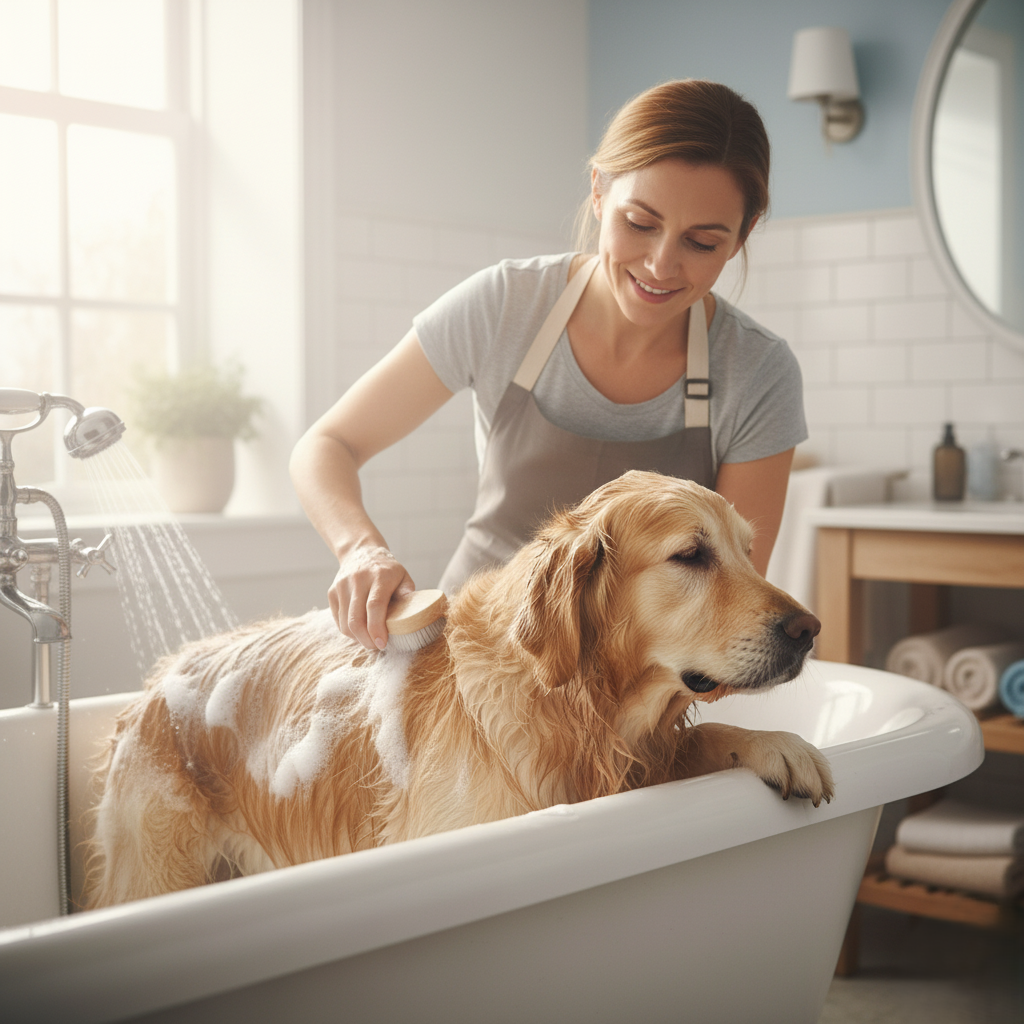
- Brushing: Prevents tangles and removes loose fur
- Bathing: Once every 4–6 weeks
- Nail trimming: Avoid overgrowth and discomfort
- Ear cleaning: Prevent infections
- Dental care: Brush teeth or use dental chews regularly
6. Preventive Healthcare
Prevention is always better than cure. Regular vet visits can detect potential issues early.
https://i4pet.io/pet-cancer-awareness-protecting-our-furry-friends-%f0%9f%90%be/Check out our post on pet care for more tips on keeping your furry friend healthy and happy.
Regular Vet Visits 🩺
- Annual checkups for adults
- Twice-yearly for senior pets
- Include physical exams, blood tests, and dental checks
Vaccinations 💊
Core vaccines protect against major diseases such as:
- Rabies
- Distemper
- Parvovirus
- Hepatitis (for dogs)
- Feline calicivirus and panleukopenia (for cats)

Parasite Prevention 🦟
- Regular deworming (every 3–6 months)
- Tick and flea prevention
- Clean bedding and surroundings
7. Creating a Safe and Healthy Home Environment
Your pet’s environment affects its physical and emotional health.
Safety at Home 🌿
- Remove toxic plants (e.g., lilies, aloe, sago palm)
- Store cleaning chemicals out of reach
- Use pet-safe cleaning products
- Keep small objects that could be swallowed away

Comfortable Living Space 🛏
- Offer clean water and litter areas
- Provide a cozy bed or resting area
- Ensure proper ventilation and temperature
8. Special Care for Senior Pets
As pets age, their needs change. Senior pets require extra attention to maintain comfort and quality of life.
Common Senior Pet Issues 🕰
- Joint pain or arthritis
- Weight gain or loss
- Reduced hearing or vision
- Dental issues
How to Support Aging Pets 💖

- Provide soft bedding
- Switch to senior-friendly food
- Schedule more frequent vet visits
- Include gentle exercises like short walks
- Give emotional comfort — patience and love
9. Seasonal Pet Care Tips
Different weather conditions bring different challenges.
Summer ☀️
- Keep pets hydrated
- Avoid walking on hot pavements
- Provide shade and cool resting areas

Winter ❄️
- Keep them warm and dry
- Moisturize paws to prevent cracking
- Adjust diet for lower activity levels
Rainy Season 🌧
- Maintain clean bedding
- Dry pets after walks
- Watch for ticks and fungal infections
10. Building a Strong Human–Pet Bond
Wellness goes both ways – pets make humans happier too! Strong bonds enhance your pet’s mental health and reduce behavioral issues.
Ways to Strengthen the Bond 🤗

- Spend quality time daily
- Train with positive reinforcement
- Celebrate milestones (birthdays, adoption days)
- Be patient and understanding
You can explore more pet nutrition guidelines from Purina’s Pet Care Library. https://www.purina.com/articles