
Every responsible pet owner hopes they’ll never face a pet emergency, but being prepared with Emergency Pet Care knowledge can mean the difference between life and death for your beloved companion. Whether you have a playful puppy, a curious cat, or any other furry friend, understanding Emergency Pet Care essentials is crucial for every responsible owner.
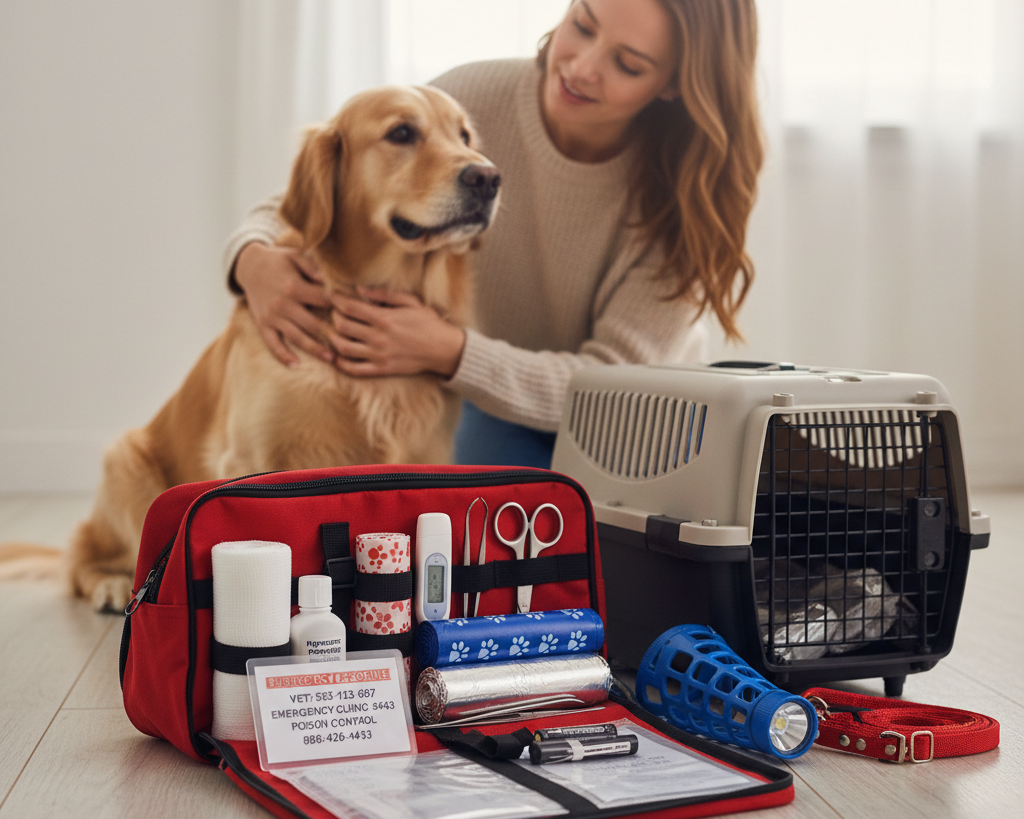
Table of Contents
Why Emergency Pet Care Knowledge Matters
Accidents and sudden illnesses don’t follow a schedule. Your veterinarian’s office might be closed, or you might be hours away from professional help. In these moments, your understanding of Emergency Pet Care becomes your pet’s lifeline. Studies show that pets receiving immediate first aid have significantly better outcomes, making Emergency Pet Care skills invaluable for every pet parent.
Building Your Emergency Pet Care Kit
Having a dedicated Emergency Pet Care kit helps you stay calm and act quickly when your pet needs you most. Before an emergency strikes, assemble a well-stocked first aid kit.
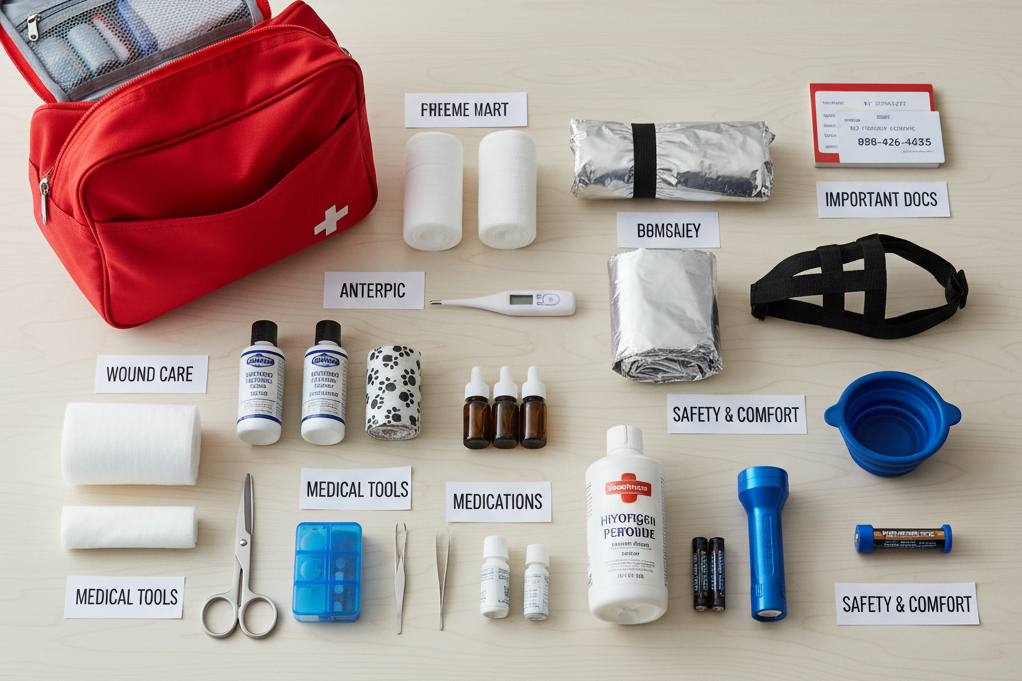
Your Emergency Pet Care Kit Should Include:
Basic Medical Supplies
- Sterile gauze pads and bandages for wound care
- Adhesive tape (veterinary wrap works best)
- Hydrogen peroxide (3% solution – only for inducing vomiting when instructed by a vet)
- Digital thermometer
- Tweezers for removing splinters or ticks
- Scissors with rounded tips
Comfort and Safety Items
- Emergency blanket
- Muzzle or soft cloth
- Leash and collar
- Pet carrier for safe transportation
- Flashlight with extra batteries
Important Documentation
- Your veterinarian’s contact information
- Emergency vet clinic numbers
- Your pet’s medical records and medication list
Common Pet Emergencies and How to Respond
Every pet owner should know the basics of Emergency Pet Care — from choking and bleeding to poisoning, heatstroke, and fractures. Quick response and calm action can save your pet’s life before professional help arrives.
1. Choking
Signs Your Pet Is Choking:
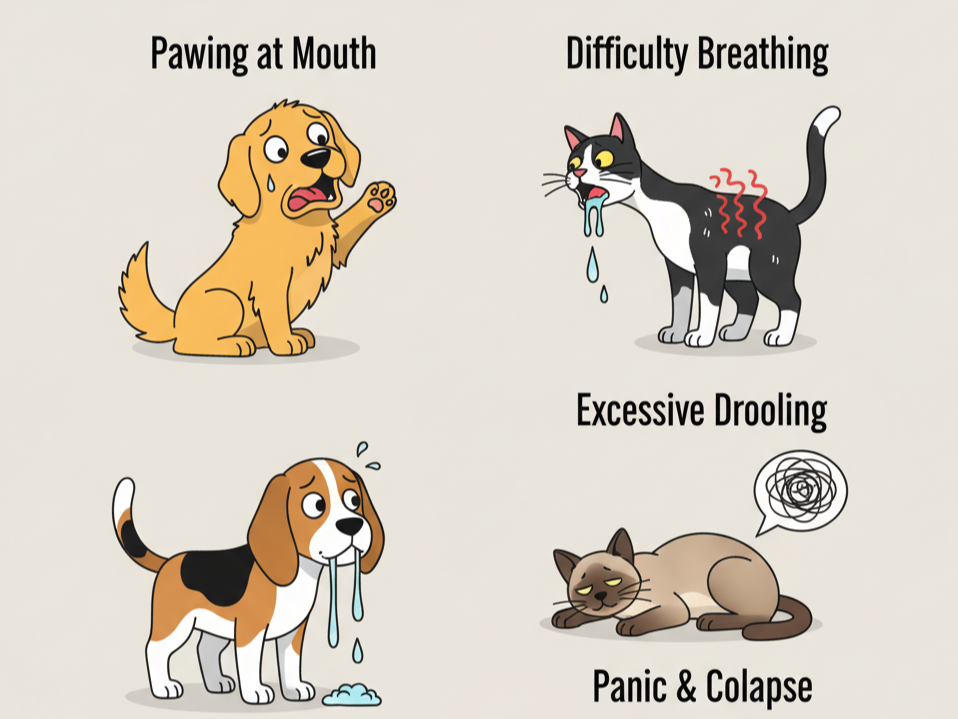
- Pawing at the mouth or face
- Excessive drooling
- Difficulty breathing or gagging sounds
- Blue-tinged gums or tongue
- Visible panic or distress
What to Do:
- Stay calm and approach your pet carefully
- Check the mouth for visible obstructions – if you can see and easily reach the object, carefully remove it
- For dogs: Perform the Heimlich maneuver by standing behind your dog, making a fist just below the ribcage, and giving five quick upward thrusts
- For cats: Hold them with their back against your chest and apply gentle pressure below the ribcage
- Never blindly reach into your pet’s throat
- Rush to the nearest emergency vet immediately, even if you dislodge the object
2. Bleeding and Wound Care
Immediate Actions:
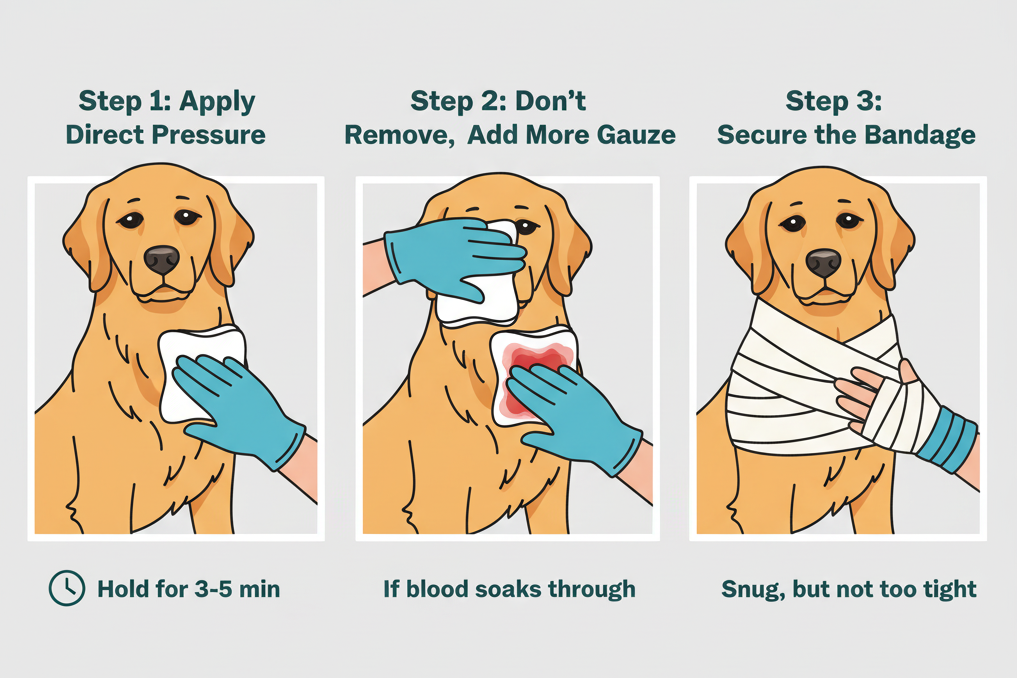
- Apply direct pressure using clean gauze or cloth
- Maintain pressure for at least 3-5 minutes without checking (checking too soon interrupts clotting)
- If blood soaks through, add more gauze on top rather than removing the original layer
- For limb wounds, elevate the injured area above the heart if possible
- Once bleeding slows, secure the bandage but don’t make it too tight – you should be able to slip two fingers underneath
When to Seek Professional Care:
- Bleeding doesn’t stop after 10 minutes of pressure
- Wound is deep, long, or has jagged edges
- Bite wounds from another animal (high infection risk)
- Bleeding from the nose, mouth, or other body openings without external injury
3. Poisoning
Poisoning is one of the most common pet emergencies. Dangerous substances include chocolate, grapes, xylitol (artificial sweetener), antifreeze, certain plants, and human medications.
Signs of Poisoning:
- Vomiting or diarrhea
- Excessive drooling or foaming at the mouth
- Lethargy or weakness
- Seizures or tremors
- Difficulty breathing
Emergency Protocol:
- Identify what your pet ingested if possible
- Call pet poison control or your emergency vet immediately (do NOT wait for symptoms)
- Do NOT induce vomiting unless specifically instructed by a professional (some substances cause more damage coming back up)
- If instructed to induce vomiting, use hydrogen peroxide: 1 teaspoon per 5 pounds of body weight
- Bring the packaging or substance to the vet for proper treatment
4. Heatstroke
Pets can’t regulate body temperature as efficiently as humans, making heatstroke a serious concern, especially during summer months.
Warning Signs
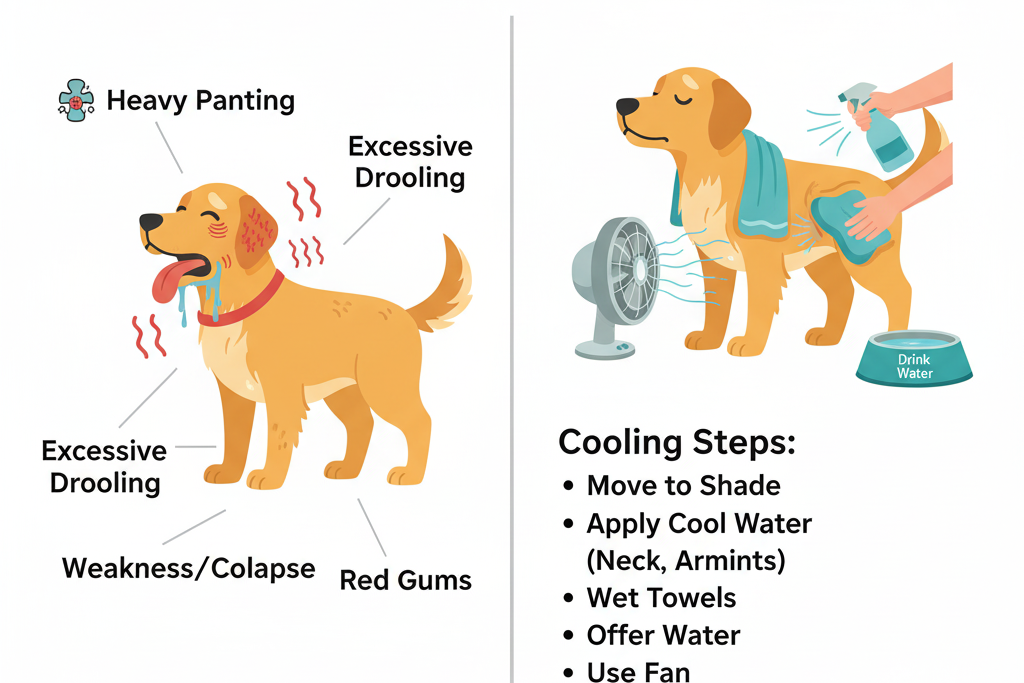
- Heavy panting or difficulty breathing
- Excessive drooling
- Weakness or collapse
- Vomiting or diarrhea
- Bright red or pale gums
Cooling Steps:
- Move your pet to a cool, shaded area immediately
- Apply cool (not ice-cold) water to their body, especially the neck, armpits, and groin
- Place wet towels on these areas and replace them frequently
- Offer small amounts of cool water to drink
- Use a fan to increase air circulation
- Take your pet’s temperature rectally—normal is 100-102.5°F (37.8-39.2°C)
- Seek emergency care immediately, even if your pet seems to recover
5. Seizures
During a Seizure:
- Stay calm and time the seizure
- Clear the area of objects your pet might hit
- Do NOT put your hands near your pet’s mouth – they won’t swallow their tongue
- Keep the environment quiet and dim the lights
- Gently speak to your pet in a soothing voice after the seizure ends
Post-Seizure Care:
- Allow your pet to rest and recover in a quiet space
- Monitor breathing and consciousness
- Contact your vet if this is the first seizure, if it lasts longer than 5 minutes, or if multiple seizures occur within 24 hours
6. Fractures and Broken Bones
Signs of Fracture:
- Limping or inability to bear weight
- Visible deformity or swelling
- Pain when touched
- Reluctance to move
Emergency Response:
- Minimize movement to prevent further injury
- Do NOT attempt to set the bone or apply a splint unless you’re trained
- Use a rigid board or flat surface to transport your pet
- Keep your pet warm with a blanket
- Transport to emergency vet immediately
7. Difficulty Breathing
Respiratory distress requires immediate attention as it’s one of the most urgent pet emergencies.Respiratory distress requires immediate attention as it’s one of the most urgent pet emergencies.
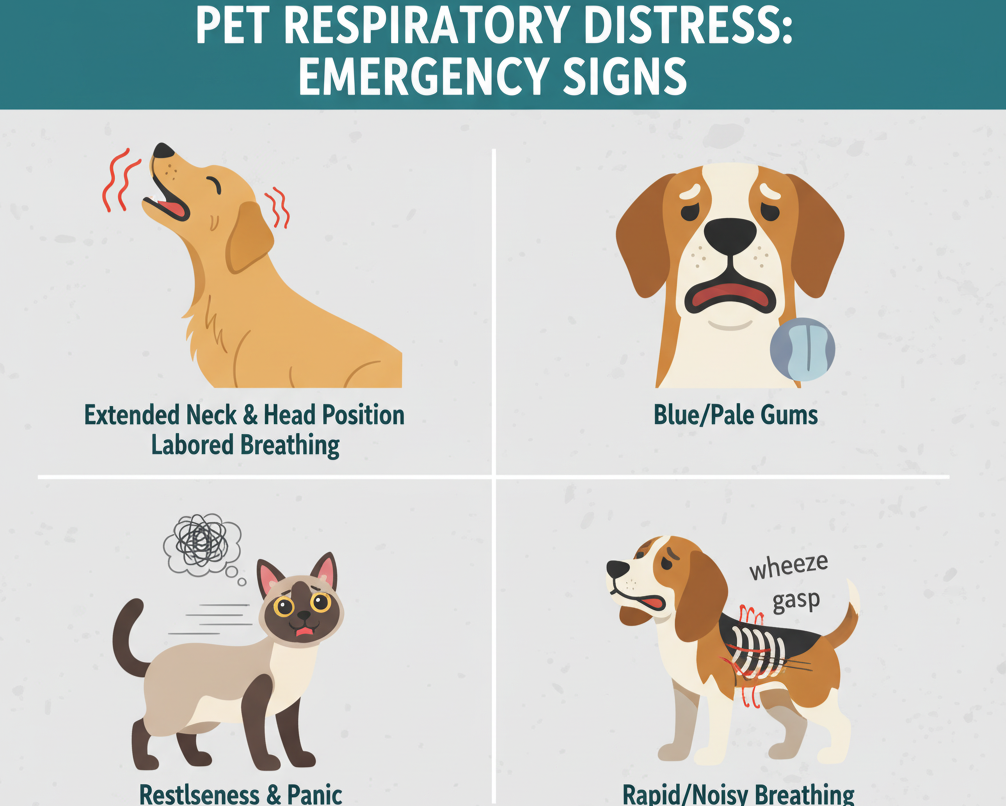
Warning Signs:
- Rapid or labored breathing
- Blue or pale gums
- Extended neck and head position
- Restlessness or panic
- Unusual breathing sounds
Immediate Actions:
- Keep your pet calm and minimize stress
- Ensure adequate ventilation
- Check for airway obstructions if possible
- Do NOT delay—transport to emergency vet immediately
Prevention: The Best Emergency Response
The best form of Emergency Pet Care starts with prevention. Keep toxic foods and chemicals away, maintain regular vet visits, and monitor your pet’s health daily. Preventing emergencies is just as important as knowing how to treat them.
The most effective emergency strategy is prevention. Implement these proactive measures:
Home Safety
- Keep toxic foods (chocolate, grapes, onions, xylitol) out of reach
- Secure electrical cords and small objects
- Use pet-safe plants in your home and garden
- Install safety gates to restrict access to dangerous areas
- Store medications, cleaning products, and chemicals securely
Temperature-Related Care:
- Never leave pets in hot cars
- Provide shade and fresh water during warm weather
- Limit exercise during extreme temperatures
- Use paw protection on hot pavement or icy surfaces
Regular Health Monitoring
- Schedule annual veterinary checkups
- Keep vaccinations current
- Maintain parasite prevention
- Monitor weight and diet
- Learn your pet’s normal behavior patterns
When to Seek Professional Care
Sometimes, at-home care isn’t enough. If your pet is unconscious, struggling to breathe, or has severe bleeding or poisoning, seek immediate Emergency Pet Care from your nearest 24-hour vet clinic.
Contact your veterinarian or emergency facility immediately if:
- Your pet is unconscious or unresponsive
- Breathing difficulties persist
- Severe bleeding won’t stop
- Your pet has ingested a toxic substance
- Trauma from a vehicle accident or significant fall
- Seizures last longer than 5 minutes or occur in clusters
- Signs of extreme pain or distress
- Bloated, hard abdomen (especially in large dogs)
- Inability to urinate or defecate
- Any situation where you feel uncertain
What to Tell Your Vet
When seeking emergency care, provide clear information:
- Your pet’s symptoms and when they started
- Any potential toxins or injuries
- Current medications and medical history
- Recent changes in behavior or appetite
- Your pet’s vital signs if you’ve checked them (temperature, breathing rate, gum color)
This information helps veterinary professionals provide faster, more effective treatment.
Creating Your Emergency Pet Care Plan
Be proactive list emergency vet contacts, prepare transportation, and practice basic first aid steps. A clear Emergency Pet Care plan ensures you can act fast and effectively during crises.
Develop a comprehensive emergency plan before crisis strikes:
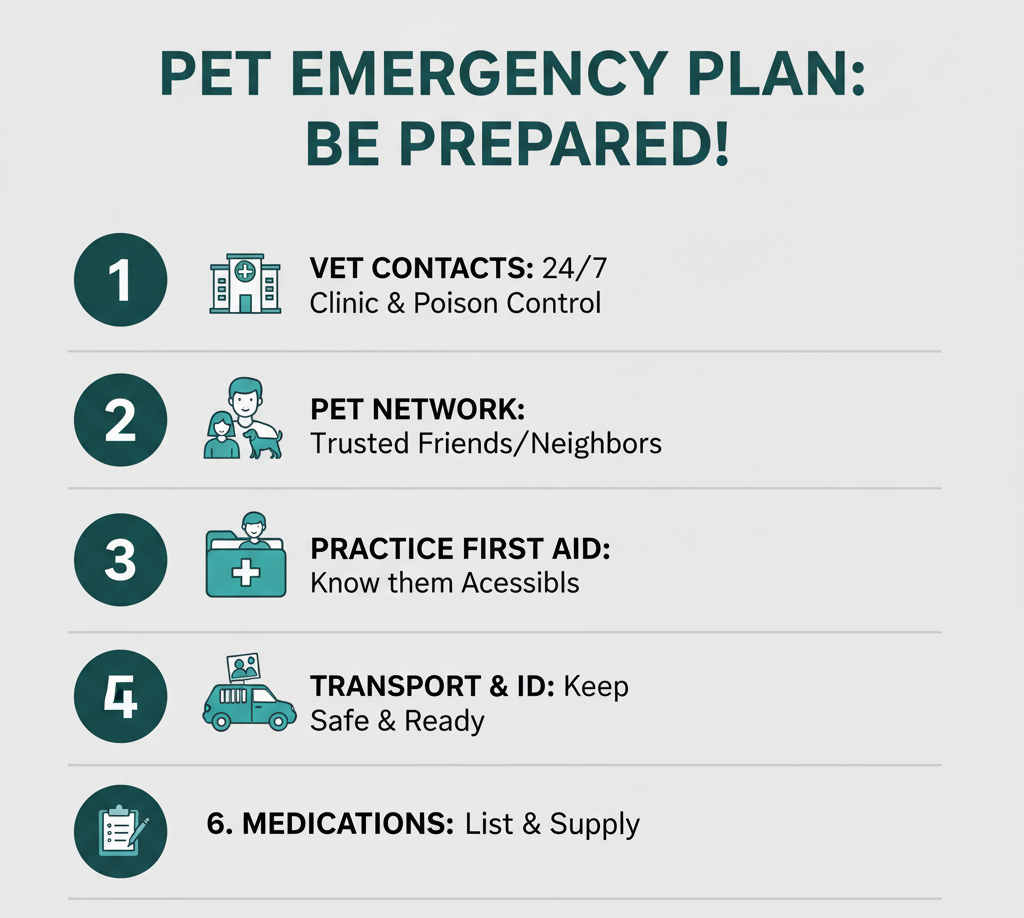
Identify Emergency Facilities: Research 24-hour emergency veterinary clinics in your area and save their contact information
Establish a Network: Identify trusted friends or neighbors who can help in emergencies
Practice Procedures: Familiarize yourself with basic first aid techniques before you need them
Update Records: Keep current photos, medical records, and identification information accessible
Prepare Transportation: Know the safest way to transport your pet based on their size and temperament
For more detailed pet first-aid tips, visit the
Mastering emergency pet care skills doesn’t mean you’re replacing professional veterinary care – it means you’re providing crucial support until expert help is available. Every pet owner should invest time in learning these life-saving techniques because preparedness is the cornerstone of responsible pet ownership.
Remember, the best emergency care combines quick thinking, proper preparation, and knowing when to seek professional help. By educating yourself on emergency procedures, assembling a proper first aid kit, and staying calm during crises, you’re giving your pet the best possible chance for a positive outcome.
Your pet depends on you for their health and safety. Make pet first aid knowledge a priority today – because when seconds count, your preparation makes all the difference.
👉 Visit our homepage for more pet care guides. https://i4pet.io/