
Understanding pet life stage transitions is crucial for every responsible pet owner. Just like humans, our furry companions go through distinct phases in their lives, each requiring specific care, nutrition, and attention. Whether you’re raising a playful puppy or caring for a gentle senior dog or cat, knowing how to navigate these changes ensures your pet lives a healthy, happy life.
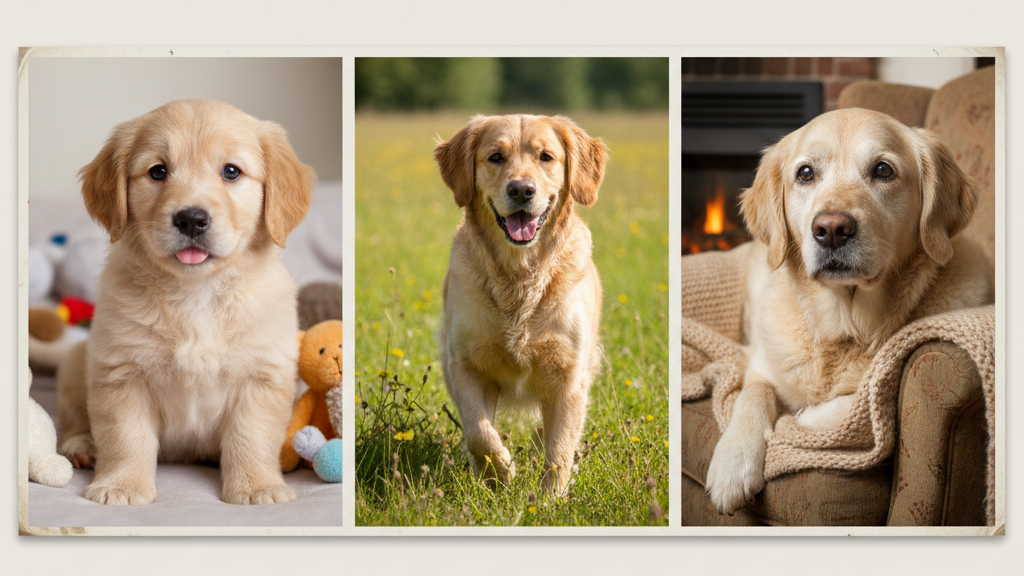
Understanding Pet Life Stages
Pet life stage transitions occur at different times depending on the species, breed, and size of your animal. Recognizing these stages helps you provide appropriate care and catch potential health issues early.
Why Life Stage Transitions Matter
Each life stage brings unique physical, mental, and nutritional needs. Puppies and kittens require different nutrients than adult pets, while senior animals need specialized care to maintain their quality of life. Understanding these pet life stage transitions helps you:
- Provide age-appropriate nutrition
- Adjust exercise routines accordingly
- Recognize early signs of health problems
- Maintain your pet’s mental stimulation
- Ensure emotional well-being throughout their life
Puppy and Kitten Stage (0-1 Year)
The puppy and kitten stage is filled with rapid growth, boundless energy, and critical developmental milestones. This foundational period shapes your pet’s future health and behavior.

Nutritional Needs for Young Pets
Young animals need nutrient-dense food formulated specifically for growth. Puppy and kitten food contains higher levels of protein, fat, and calories to support their rapid development.
Key nutritional requirements:
- High-quality protein for muscle development
- DHA for brain and vision development
- Calcium and phosphorus for strong bones
- Higher calorie content for energy needs
- Small, frequent meals (3-4 times daily)
Training and Socialization

This stage is critical for behavioral development. Proper socialization between 3-14 weeks helps puppies become well-adjusted adults. Expose your young pet to various people, animals, sounds, and environments in positive ways.
Health Care Essentials
Schedule regular veterinary visits for vaccinations, deworming, and health checks. Discuss spaying or neutering timing with your vet, as recommendations vary by breed and size.
Transitioning from Puppy to Adult (1-2 Years)
The transition to adulthood is one of the most important pet life stage transitions. This change typically occurs between 12-24 months, depending on breed size.
Signs Your Pet is Reaching Adulthood
- Slower growth rate
- Reduced hyperactivity
- Permanent teeth fully developed
- Sexual maturity
- More predictable behavior patterns
- Stable energy levels
Adjusting Nutrition During Transition
Gradually switch from puppy or kitten food to adult formulas over 7-10 days. Adult pets need fewer calories per pound of body weight compared to growing youngsters.
Transition schedule:
Days 1-3: Mix 25% adult food with 75% puppy food
Days 4-6: Mix 50% adult food with 50% puppy food
Days 7-9: Mix 75% adult food with 25% puppy food
Day 10: Complete transition to 100% adult food
Monitor your pet’s weight, energy levels, and stool cons istency during this transition. If you notice digestive upset, slow down the transition process.
For veterinary-approved guidance on transitioning puppy food, including breed-specific recommendations, see this helpful resource on puppy to adult dog diet transitions.
Exercise and Activity Changes
While adult pets still need regular exercise, they typically require less intense activity than puppies. Establish a consistent exercise routine that matches your pet’s breed, size, and energy level.
Adult Stage (1-7 Years for Dogs, 1-10 Years for Cats)
The adult stage represents the prime of your pet’s life. During these years, focus on maintaining optimal health through proper nutrition, regular exercise, and preventive care.
Maintaining Adult Pet Health
Adult pets thrive on routine and consistency. Establish regular schedules for feeding, exercise, and veterinary care.
Essential adult pet care includes:
- Annual veterinary examinations
- Dental care and cleanings
- Parasite prevention
- Balanced, age-appropriate diet
- Daily exercise and mental stimulation
- Weight management
Nutrition for Adult Pets
Adult pet food is formulated for maintenance rather than growth. Choose high-quality food appropriate for your pet’s size, activity level, and any specific health needs.
Feed most adult dogs twice daily and cats once or twice daily. Monitor body condition and adjust portions to maintain a healthy weight, as obesity can lead to serious health problems.
Recognizing Early Aging Signs
Even during the adult stage, watch for subtle changes that might indicate early aging or health concerns. Catching issues early makes pet life stage transitions smoother.
Transitioning from Adult to Senior (7+ Years for Dogs, 10+ Years for Cats)
The transition to senior status is gradual and varies significantly by breed and size. Large dog breeds age faster than small breeds, while cats generally become seniors around age 10-11.
When Does Your Pet Become a Senior?
Dogs:
- Giant breeds (90+ lbs): 5-6 years
- Large breeds (50-90 lbs): 7-8 years
- Medium breeds (20-50 lbs): 8-9 years
- Small breeds (under 20 lbs): 9-11 years
Cats:
- Generally around 10-11 years
Early Signs of Aging
Recognizing early aging signs helps you adjust care appropriately during this pet life stage transition.
- Common indicators include:
- Decreased activity and stamina
- Gray hair around the muzzle and face
- Stiffness after resting, especially in the morning
- Changes in sleep patterns
- Reduced hearing or vision
- Weight changes
- Increased thirst or urination
- Behavioral changes or confusion
Nutritional Adjustments for Seniors
Senior pets often need fewer calories but require the same or higher protein levels to maintain muscle mass. Look for senior-specific formulas with:
- Easily digestible proteins
- Joint-supporting ingredients (glucosamine, chondroitin)
- Omega-3 fatty acids for inflammation
- Antioxidants for cognitive health
- Lower calorie density to prevent obesity
- Higher fiber for digestive health
Transition to senior food gradually using the same 7-10 day schedule mentioned earlier. Some pets may benefit from switching earlier if they develop age-related conditions.
Senior Stage Care (7+ Years for Dogs, 10+ Years for Cats)
Senior pets deserve special attention and care. While they may slow down, they still enjoy life and can remain active and happy with proper support.
Enhanced Veterinary Care
Increase veterinary visits to twice yearly for senior pets. More frequent check-ups help detect age-related conditions early, including arthritis, kidney disease, diabetes, and cancer.
Senior wellness exams should include:
- Comprehensive physical examination
- Blood work (complete blood count and chemistry panel)
- Urinalysis
- Blood pressure monitoring
- Weight and body condition assessment
- Dental evaluation
- Discussion of any behavioral changes
Managing Common Senior Health Issues
Many senior pets develop age-related conditions. With proper management, these issues don’t have to severely impact quality of life.
Arthritis and Joint Problems:
Provide soft, supportive bedding and consider ramps or steps for furniture and vehicles. Gentle, regular exercise helps maintain joint flexibility. Discuss pain management options with your veterinarian, including supplements and medications.
Cognitive Dysfunction:
Senior pets may experience cognitive decline similar to dementia in humans. Signs include disorientation, altered sleep-wake cycles, and changes in interactions. Maintain routines, provide mental stimulation, and ask your vet about medications that may help.
Dental Disease:
Dental problems worsen with age and can affect overall health. Continue regular dental care, including professional cleanings as recommended by your veterinarian.
Exercise and Activity for Senior Pets
Adjust exercise intensity and duration based on your senior pet’s abilities. Shorter, more frequent walks work better than long, strenuous outings. Swimming provides excellent low-impact exercise for dogs with arthritis.
Environmental Modifications
Make your home more comfortable for aging pets:
- Place food and water bowls at comfortable heights
- Use non-slip rugs on hard floors
- Provide easily accessible litter boxes for cats (lower sides)
- Ensure warm, draft-free sleeping areas
- Install night lights for pets with vision problems
- Keep pathways clear of obstacles
Special Considerations for Multi-Pet Households
Managing pet life stage transitions becomes more complex with multiple pets at different ages. Balance the needs of energetic youngsters with those of senior animals.
Feeding Multiple Life Stages
Feed pets separately to ensure each receives appropriate nutrition. Young pets may try to steal senior food (which is often tastier), while seniors might not get enough nutrition if competing with energetic youngsters.
Managing Energy Levels
Provide separate play and rest spaces. Active young pets shouldn’t disturb resting seniors. However, gentle interaction between ages can provide mental stimulation for older pets and teach young ones appropriate behavior.
Common Mistakes During Pet Life Stage Transitions
Avoid these common errors when navigating pet life stage transitions:
Abrupt Food Changes: Always transition gradually over 7-10 days to prevent digestive upset.
Ignoring Subtle Changes: Small changes in behavior, appetite, or activity can indicate health issues requiring veterinary attention.
Overfeeding or Underfeeding: Nutritional needs change dramatically between life stages. Adjust portions appropriately.
Skipping Veterinary Visits: Regular check-ups are crucial during transitions to catch problems early.
Inconsistent Exercise: Both too much and too little exercise can cause problems. Adjust activity levels appropriately for each life stage.
Neglecting Dental Care: Dental health affects overall health. Maintain dental care throughout all life stages.
Creating a Transition Plan
Successfully managing pet life stage transitions requires planning and observation. Here’s how to create an effective transition plan:
Monitor Your Pet Regularly
Keep notes about your pet’s behavior, appetite, activity level, and any changes you notice. This information helps you and your veterinarian make informed decisions.
Work Closely with Your Veterinarian
Schedule appointments before major transitions to discuss upcoming changes. Your vet can provide personalized recommendations based on your pet’s specific needs, breed, and health status.
Be Patient and Flexible
Every pet transitions differently. Some adapt quickly to dietary changes, while others need more time. Remain patient and adjust your approach as needed.
Maintain Consistency Where Possible
While some aspects must change during transitions, maintaining consistent routines for feeding times, walks, and bedtime provides comfort and security for your pet.
Learn more about pet care : https://i4pet.io/
Conclusion
Understanding and properly managing pet life stage transitions is one of the most important responsibilities of pet ownership. From the energetic puppy or kitten stage through the dignified senior years, each phase brings unique joys and challenges.
By providing age-appropriate nutrition, adjusting exercise routines, maintaining regular veterinary care, and staying alert to changes, you help your beloved companion enjoy the best possible quality of life throughout all their years. Remember that gradual transitions, close observation, and working with your veterinarian are keys to success.
Every pet ages differently, so stay flexible and responsive to your individual pet’s needs. The time and attention you invest in properly managing these transitions will be rewarded with more healthy, happy years together with your furry family member.