
Bringing a pet into your home is one of life’s greatest joys. Whether you’ve welcomed a playful puppy, a curious kitten, or an adult rescue animal, you’ve made a commitment to provide love, care, and protection for your new family member. Among the many responsibilities that come with pet ownership, ensuring your companion receives proper pet vaccinations stands as one of the most critical steps you can take to safeguard their health and longevity.
Pet vaccinations have revolutionized veterinary medicine, transforming once-fatal diseases into preventable conditions. Yet many pet parents remain uncertain about which vaccines their pets need, when they should be administered, and why they’re so important. This comprehensive pet vaccination guide will walk you through everything you need to know about essential immunizations, helping you make informed decisions about your pet’s healthcare.
Table of Contents
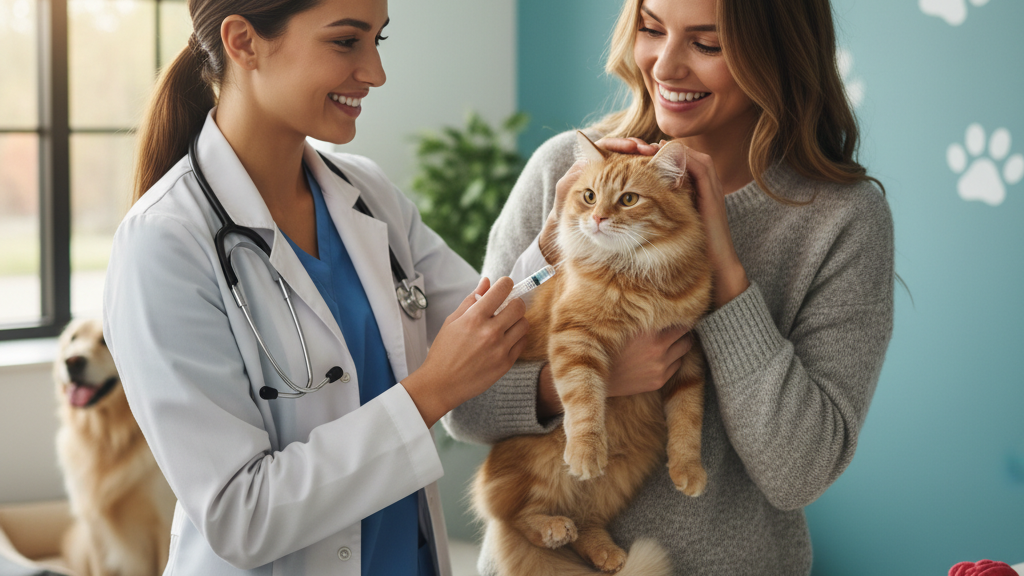
Understanding How Pet Vaccinations Work
Before diving into specific pet vaccinations, it’s helpful to understand the science behind how vaccines protect our pets. Pet vaccinations work by introducing a small, harmless piece of a disease-causing organism into your pet’s body. This might be a weakened version of the virus or bacteria, a killed version, or even just a protein from the pathogen.
When this foreign substance enters your pet’s system, their immune system recognizes it as a threat and begins producing antibodies specifically designed to fight that particular disease. These antibodies remain in your pet’s system, ready to spring into action if they’re ever exposed to the real disease. It’s like giving your pet’s immune system a practice run, preparing it to fight off the actual threat should it ever appear.
This process, called immunization, is why vaccinated pets either don’t contract certain diseases at all or experience much milder symptoms if exposed. The beauty of vaccination is that it provides protection without your pet having to suffer through the actual disease.
Why Pet Vaccinations Are Essential
The importance of pet vaccinations extends far beyond individual protection. Let’s explore the multiple layers of benefits that pet vaccinations provide.
Protection Against Deadly Diseases
Many of the diseases we vaccinate against are severe, debilitating, or fatal. Parvovirus in dogs, for example, has a mortality rate that can reach 90% in untreated puppies. Rabies is virtually 100% fatal once symptoms appear. Feline panleukopenia can devastate entire litters of kittens. These aren’t minor illnesses that pets can simply recover from with rest and fluids—they’re serious threats that can end your pet’s life or cause permanent damage.
Herd Immunity and Community Health
When a large percentage of the pet population is vaccinated, it creates what’s called “herd immunity.” This means that even pets who cannot be vaccinated due to age, illness, or other factors receive some protection because the diseases cannot spread easily through the population. By vaccinating your pet, you’re not just protecting them—you’re contributing to the health of all pets in your community.
Economic Benefits
While pet vaccinations require an upfront investment, they’re remarkably cost-effective compared to treating the diseases they prevent. The cost of treating a dog with parvovirus can easily exceed several thousand dollars, with no guarantee of survival. Multiple DHPP vaccines over a lifetime cost a fraction of that amount and provide reliable protection.
Legal and Practical Requirements
Rabies vaccination is legally mandated in most jurisdictions due to the disease’s threat to human health. Beyond legal requirements, most boarding facilities, grooming salons, dog parks, training classes, and pet-friendly accommodations require proof of current pet vaccinations. Without proper vaccination records, your pet’s activities and your travel options may be severely limited.
Zoonotic Disease Prevention
Some diseases that affect pets can also infect humans, a category known as zoonotic diseases. Rabies is the most well-known example, but leptospirosis and certain other conditions can also spread from pets to people. Vaccinating your pet protects your entire household, especially vulnerable populations like young children, elderly family members, and those with compromised immune systems.
read more on :
https://www.avma.org/resources-tools/pet-owners/petcare/vaccinations
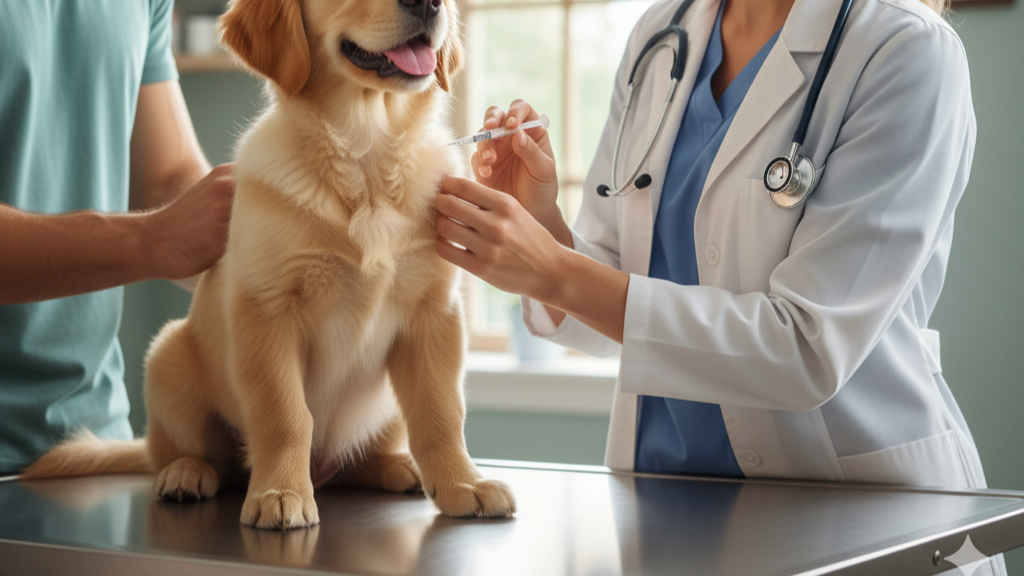
Core Vaccinations for Dogs: The Essential Protection
Core vaccines are those recommended for all dogs regardless of their lifestyle, location, or circumstances. Understanding these essential pet vaccinations is crucial for every dog owner. These vaccines protect against diseases that are widespread, highly contagious, pose serious health risks, or can be transmitted to humans.
Rabies Vaccine: Non-Negotiable Protection
Rabies stands alone as the most critical vaccine for dogs. This viral disease attacks the nervous system and is almost always fatal once clinical signs appear. More alarmingly, rabies poses a serious threat to human health, which is why rabies vaccination is legally required throughout most of the world.
The rabies virus is typically transmitted through the bite of an infected animal, with wildlife such as raccoons, bats, skunks, and foxes serving as common reservoirs. When an unvaccinated dog is exposed to rabies, the consequences are severe—not only for the dog but also for any humans the dog has contacted. Exposure often results in mandatory quarantine periods or, in worst-case scenarios, euthanasia to prevent potential human exposure.
Puppies typically receive their first rabies vaccine between 12 and 16 weeks of age. The initial vaccine is good for one year, after which dogs receive boosters. Depending on the vaccine type and local regulations, subsequent boosters may be required annually or every three years. Always keep your rabies certificate in a safe place and maintain current vaccination status—it’s not just good practice, it’s usually the law.
DHPP: The Combination Vaccine Protecting Against Multiple Threats
The DHPP vaccine (sometimes called DAPP or DA2PP depending on the specific formulation) is a combination vaccine protecting against four serious diseases. This multi-disease approach makes vaccination more convenient and less stressful for your pet while providing comprehensive protection.
Distemper is a highly contagious viral disease that attacks multiple body systems, including the respiratory, gastrointestinal, and nervous systems. Early symptoms include fever, nasal discharge, and coughing, but the disease can progress to seizures, paralysis, and death. Distemper is particularly dangerous for puppies and unvaccinated dogs. While treatment can be attempted, there’s no cure, and many dogs don’t survive. Those that do often suffer permanent neurological damage.
Hepatitis (adenovirus) causes liver disease, kidney damage, and can affect the eyes and blood vessels. Infected dogs may experience fever, abdominal pain, vomiting, and jaundice. Severe cases can lead to death, particularly in puppies. The virus spreads through contact with urine, feces, or saliva from infected dogs.
Parvovirus is perhaps one of the most feared diseases among dog owners and veterinarians alike. This extremely resilient virus attacks rapidly dividing cells, particularly those in the intestinal tract and bone marrow. Infected dogs suffer severe, bloody diarrhea, vomiting, and rapid dehydration. The virus is incredibly hardy, surviving in the environment for months or even years, and can be tracked into homes on shoes or carried on clothing.
Puppies and young dogs are most vulnerable to parvo, and despite aggressive treatment, many don’t survive. Those that do often require several days of intensive hospitalization with intravenous fluids, antibiotics, anti-nausea medications, and round-the-clock monitoring. The emotional and financial toll is devastating.
Parainfluenza is one of several pathogens that cause kennel cough, a highly contagious respiratory disease. While usually not life-threatening, parainfluenza causes uncomfortable coughing, nasal discharge, and can progress to pneumonia in vulnerable dogs.
The DHPP vaccination schedule begins when puppies are 6 to 8 weeks old. They receive boosters every 3 to 4 weeks until they’re 16 to 18 weeks old. This series is crucial because maternal antibodies can interfere with vaccine effectiveness in very young puppies. After completing the puppy series, dogs receive boosters at one year of age, then typically every three years, though some veterinarians recommend more frequent boosters depending on risk factors.
Core Vaccinations for Cats: Feline Protection Essentials
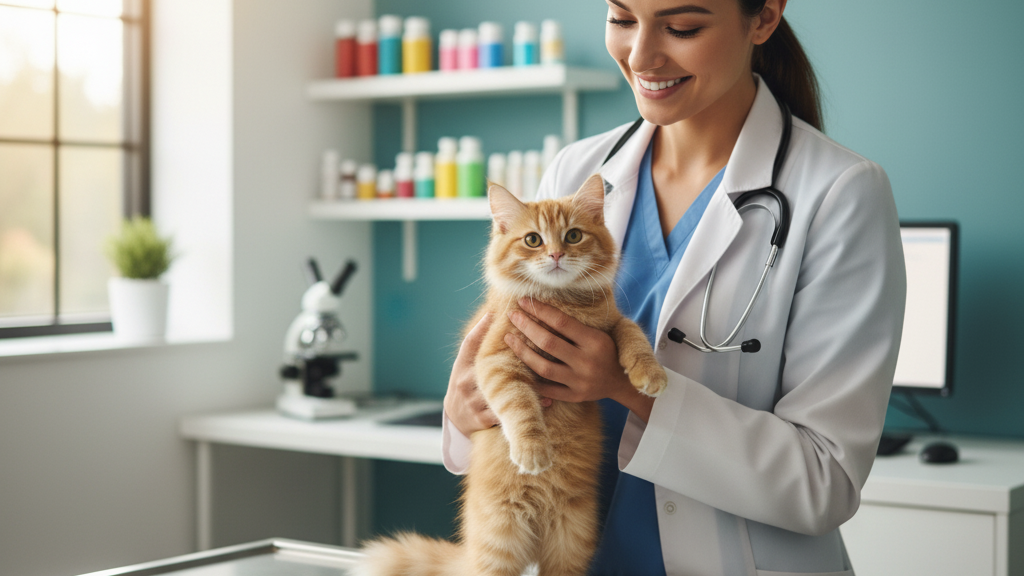
Cats have their own set of core pet vaccinations that protect against diseases specific to felines. Even indoor-only cats need these vaccines, as some diseases can be brought into the home on clothing or shoes, and cats occasionally escape outdoors.
Rabies Vaccine for Cats
Like dogs, cats must be vaccinated against rabies. While people tend to think of rabies as primarily a canine disease, cats are actually more frequently reported with rabies than dogs in the United States. This is partly because fewer cats are vaccinated compared to dogs, and cats are more likely to encounter wildlife while roaming outdoors.
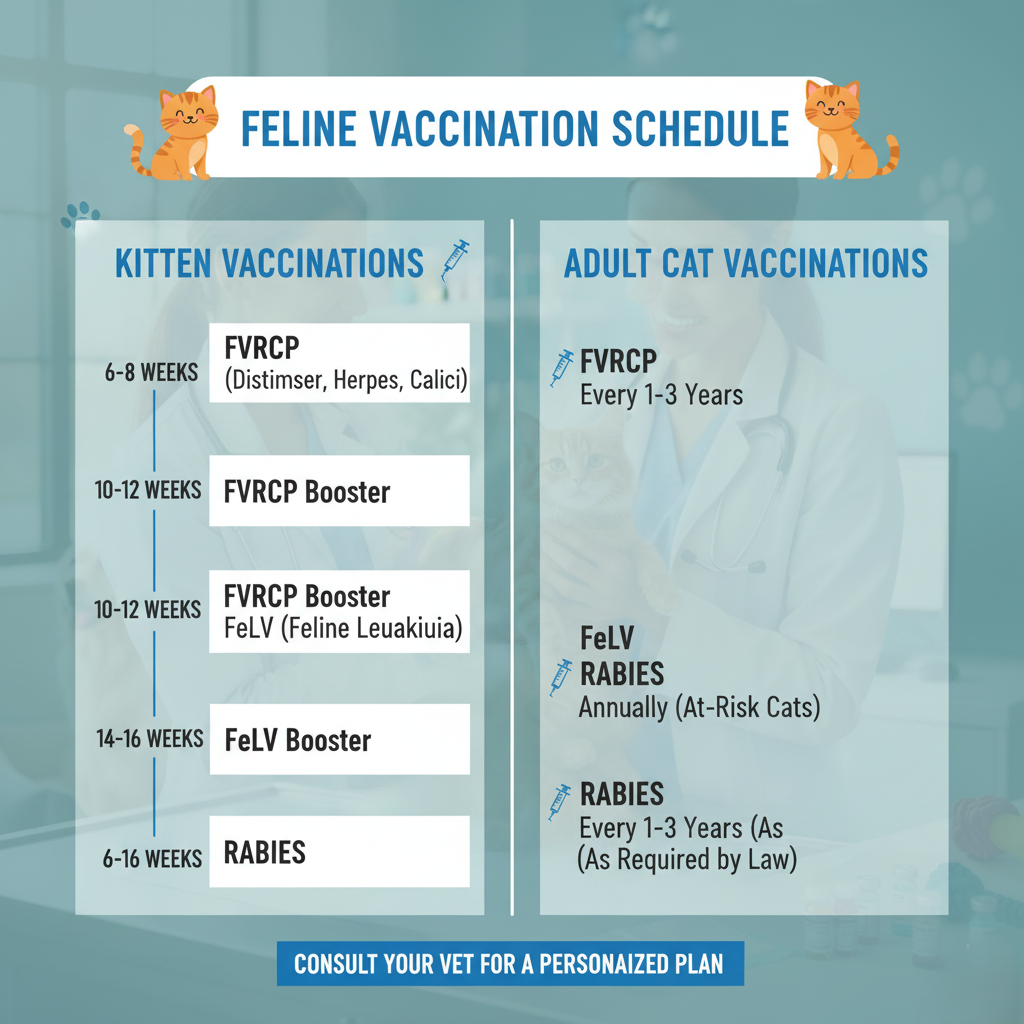
Indoor cats need rabies vaccination too. Bats—a common rabies vector—can enter homes through small openings, and an indoor cat could escape and have an outdoor encounter. The vaccination protocol for cats mirrors that of dogs: first vaccine at 12 to 16 weeks, a one-year booster, then boosters every one to three years depending on local laws and vaccine type.
FVRCP: The Feline Core Vaccine Combination
The FVRCP vaccine protects cats against three highly contagious and potentially fatal diseases. This combination vaccine is the cornerstone of feline preventive medicine.
Feline Viral Rhinotracheitis is caused by feline herpesvirus type 1 and is one of the most common causes of upper respiratory infections in cats. Infected cats experience sneezing, nasal congestion, conjunctivitis (inflamed eyes), and nasal discharge. While adult cats typically recover with supportive care, kittens and cats with weakened immune systems may develop severe complications including pneumonia. Even after recovery, the virus remains dormant in the cat’s system and can reactivate during times of stress, causing recurring symptoms.
Calicivirus is another major cause of respiratory disease in cats. Beyond respiratory symptoms, calicivirus can cause painful oral ulcers, making eating difficult. Some strains cause joint pain and lameness. In rare cases, highly virulent strains can cause severe systemic disease with high mortality rates. The virus spreads easily in multi-cat environments through direct contact or contaminated surfaces.
Panleukopenia, also called feline distemper (though unrelated to canine distemper), is an extremely serious disease with high mortality rates, especially in kittens. The virus attacks rapidly dividing cells, particularly in the intestinal tract, bone marrow, and in pregnant cats, the developing fetus. Infected cats show severe vomiting, diarrhea, lethargy, and dehydration. The virus destroys white blood cells, leaving cats vulnerable to secondary infections. Panleukopenia is highly contagious and environmentally stable, surviving in the environment for years.
Kittens begin their FVRCP vaccine series at 6 to 8 weeks of age, with boosters every 3 to 4 weeks until 16 weeks old. Adult cats receive a booster at one year after completing the kitten series, then boosters every three years for most cats, though some situations may warrant more frequent vaccination.
Non-Core Vaccinations: Tailored Protection Based on Lifestyle
Non-core pet vaccinations aren’t necessary for every pet but are recommended based on individual risk factors such as geographic location, lifestyle, and exposure risk. Your veterinarian will help you determine which non-core vaccines your pet needs.
Non-Core Vaccines for Dogs
Bordetella bronchiseptica is the primary bacterial cause of kennel cough. If your dog regularly interacts with other dogs at boarding facilities, doggy daycares, grooming salons, dog parks, or training classes, the Bordetella vaccine is highly recommended. Many facilities require it for entry. The vaccine can be administered as an injection, oral medication, or intranasal spray, with boosters needed every 6 to 12 months for at-risk dogs.
Leptospirosis is a bacterial disease that causes liver and kidney damage and can be fatal. The bacteria spreads through the urine of infected animals and can contaminate soil and water. Dogs that spend time near lakes, streams, or areas with wildlife, or those living in areas with high rainfall are at increased risk. Leptospirosis can be transmitted to humans, making this vaccine important for public health as well. The vaccine requires annual boosters and is increasingly considered a core vaccine in many areas.
Lyme disease, transmitted by ticks, causes joint inflammation, fever, lethargy, and loss of appetite. If untreated, it can lead to serious kidney disease. Dogs living in or traveling to areas where Lyme disease is endemic (particularly the Northeast, upper Midwest, and parts of California) should be vaccinated. The vaccine requires an initial series followed by annual boosters and should be combined with tick prevention products for maximum protection.
Canine Influenza is a relatively new concern in the canine world. This highly contagious respiratory infection spreads rapidly in areas where dogs congregate. While most dogs recover, some develop secondary pneumonia. Vaccination is particularly important in areas experiencing outbreaks or for dogs with frequent social exposure.
Non-Core Vaccines for Cats
Feline Leukemia Virus (FeLV) is a devastating disease that suppresses the immune system and causes cancer. FeLV spreads through close contact with infected cats – grooming, biting, or sharing food and water bowls. All kittens should be vaccinated against FeLV, and the vaccine should be continued for cats that go outdoors or live with FeLV-positive cats. Indoor-only cats with no exposure to potentially infected cats may discontinue the vaccine after their first year, but this should be discussed with your veterinarian.
Feline Immunodeficiency Virus (FIV) is similar to HIV in humans, attacking the immune system and leaving cats vulnerable to infections. The FIV vaccine is controversial and not routinely recommended, as it can interfere with FIV testing and doesn’t protect against all strains. It’s primarily considered for cats at high risk of exposure, particularly outdoor cats in areas with high FIV prevalence.
Chlamydia felis causes conjunctivitis and respiratory symptoms. This vaccine is generally only recommended for cats in multi-cat environments where the disease is a known problem.
Vaccination Schedules: A Lifetime of Protection
Understanding pet vaccination schedules helps you plan for your pet’s healthcare and ensures they maintain optimal protection throughout their lives. Proper scheduling of pet vaccinations is essential for building and maintaining immunity.
Puppies and Kittens: Building Immunity
The first few months of life are critical for developing immunity. Newborn puppies and kittens receive antibodies from their mother through her first milk (colostrum). These maternal antibodies provide temporary protection but also interfere with vaccine effectiveness. This is why young animals need multiple vaccine doses—we’re waiting for maternal antibodies to decline while building their own immunity.
The typical puppy or kitten vaccine schedule includes vaccines every 3 to 4 weeks from 6 to 8 weeks of age until 16 to 18 weeks. This may seem like a lot of veterinary visits, but each dose is crucial for building solid immunity. Missing vaccines or delaying them puts your young pet at risk during their most vulnerable period.
Adult Pets: Maintaining Protection
After completing their initial series and one-year booster, most adult pets settle into a routine of vaccines every one to three years. The specific schedule depends on the vaccine type, local regulations, and your pet’s risk factors. Many core vaccines now offer three-year protection, reducing the frequency of veterinary visits while maintaining immunity.
Senior Pets: Adjusting Care
As pets age, their immune systems may not respond to vaccines as robustly as when they were younger. However, this doesn’t necessarily mean more frequent vaccination—in fact, some senior pets may be able to extend intervals between vaccines. Your veterinarian may recommend titer testing (more on this later) to assess immunity levels and make informed decisions about vaccination needs for older pets.
Vaccine Safety: Understanding Risks and Benefits
Modern pet vaccinations are remarkably safe, with serious adverse reactions being rare. However, like any medical procedure, vaccination does carry some risk, and it’s important to be informed about pet vaccination safety.
Common Mild Reactions
Most pets experience no side effects from pet vaccinations, but some may show mild reactions including slight fever, lethargy, reduced appetite, or soreness at the injection site. These symptoms typically appear within 24 hours of vaccination and resolve on their own within a day or two. Some pets may seem a bit “off” or want to rest more than usual—this is normal and indicates their immune system is responding to the vaccine.
Rare Serious Reactions
Serious vaccine reactions are uncommon but can include allergic reactions (anaphylaxis), injection-site tumors in cats (vaccine-associated sarcomas), or immune-mediated diseases. Anaphylaxis typically occurs within minutes to hours of vaccination and requires immediate veterinary attention. Signs include facial swelling, hives, vomiting, diarrhea, difficulty breathing, or collapse.
Vaccine-associated sarcomas in cats are rare but serious. These tumors can develop at injection sites, which is why veterinarians now often vaccinate cats in specific locations (like the leg) where tumors could be more easily removed if they develop. The risk is very low, and the benefits of vaccination far outweigh this risk for most cats.
Minimizing Risks
To reduce vaccine reactions, veterinarians may spread out vaccines rather than giving multiple vaccines at once, particularly for small dogs or pets with previous reactions. Some veterinarians administer antihistamines before vaccination in pets with a history of reactions. Always inform your veterinarian of any previous vaccine reactions your pet has experienced.
Titer Testing: An Alternative Approach
Titer testing measures the level of antibodies in your pet’s blood to determine if they still have immunity to specific diseases. Some pet owners choose to perform titer tests instead of automatically giving booster vaccines, particularly for pets who have experienced vaccine reactions or have certain health conditions.
A titer test involves drawing a small blood sample and sending it to a laboratory. Results indicate whether your pet has protective antibody levels. If titers are adequate, you might choose to delay vaccination. If titers are low, vaccination is recommended.
It’s important to understand that titer testing has limitations. It’s not available for all diseases, it doesn’t replace legally required rabies vaccination, and it’s often more expensive than simply vaccinating. Additionally, the absence of detectable antibodies doesn’t always mean your pet lacks immunity—the immune system has memory cells that can quickly produce antibodies upon exposure even if circulating antibodies are low.
Titer testing is a valuable tool but should be discussed thoroughly with your veterinarian to determine if it’s appropriate for your pet’s situation.
Creating Your Pet’s Personalized Vaccination Plan
Every pet is unique, and their pet vaccination needs should reflect their individual circumstances. When developing a pet vaccination plan with your veterinarian, consider these factors:
Lifestyle: Does your pet stay indoors or go outside? Do they interact with other animals? Where do they spend their time?
Geographic location: What diseases are prevalent in your area? Are you in a region with high tick populations, wildlife exposure, or known outbreaks?
Age and health status: Puppies, kittens, and senior pets have different needs than healthy adults. Pets with chronic illnesses or compromised immune systems may need modified protocols.
Local regulations: What vaccines are legally required in your area?
Travel plans: Will you be traveling with your pet? Different areas may have different disease risks and requirements.
Previous vaccine reactions: Has your pet had any adverse reactions that need to be considered?
Protecting Your Best Friend

Pet vaccinations represent one of the greatest advances in veterinary medicine and remain one of the most effective ways to protect your pet from preventable diseases. While the pet vaccination schedule may seem complex and the number of veterinary visits during puppyhood or kittenhood might feel overwhelming, you’re making a crucial investment in your pet’s long-term health and wellbeing.
pet care guid ;
https://i4pet.io/pet-care-health-and-wellness-guide/
Work closely with your veterinarian to develop a pet vaccination plan tailored to your pet’s individual needs. Keep careful records of all pet vaccinations—most veterinarians now offer online portals where you can access your pet’s records, and you should keep copies at home for reference. Make sure vaccination records are easily accessible for emergencies, travel, or boarding.
Remember that pet vaccinations are just one component of comprehensive preventive care. Regular veterinary check-ups, proper nutrition, dental care, parasite prevention, and lots of love all contribute to giving your pet the longest, healthiest life possible. By staying informed and proactive about your pet’s healthcare needs, including maintaining up-to-date pet vaccinations, you’re fulfilling your commitment to being the best pet parent you can be.
The bond between humans and their pets is special and irreplaceable. Protecting that relationship through proper preventive care, including vaccinations, ensures that you’ll have many happy, healthy years together with your beloved companion.
This blog is intended for informational purposes only and should not replace professional veterinary advice. Always consult with your veterinarian before making decisions about your pet’s healthcare, including vaccination protocols. Your veterinarian knows your pet’s individual health history and can provide personalized recommendations.