
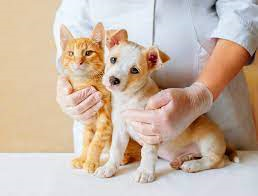
Pet kidney problems are more common than many owners realize, and they can affect both cats and dogs at any age. Your pet’s kidneys play a vital role in filtering toxins, maintaining fluid balance, and producing hormones that support overall health. When the kidneys stop working properly, toxins build up — leading to serious health issues.
In this post, you’ll learn the main causes, symptoms, treatment options, and prevention tips to help your furry friend stay happy and healthy.
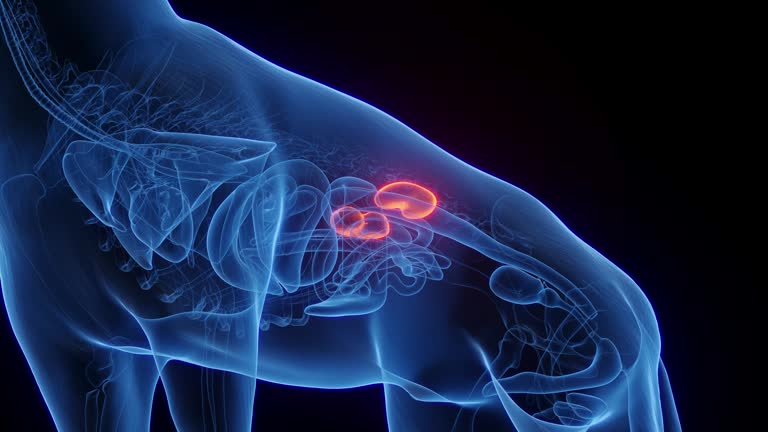
🩺 What Causes Pet Kidney Problems?
Kidney problems can occur suddenly (acute kidney injury) or develop gradually over time (chronic kidney disease). Here are some of the most common causes:
🧬Dehydration – Not drinking enough water puts stress on the kidneys.
🧬Infections – Bacterial or viral infections can damage kidney tissues.
🧬Toxins – Certain medications, plants, or human foods (like grapes or antifreeze) are toxic to pets.
🧬Poor diet – Low-quality pet food can strain kidney function.
🧬Old age – Senior pets naturally face reduced kidney efficiency.
🧬Genetic factors – Some breeds (like Persian cats or Bull Terriers) are more prone to kidney issues.
Read More:https://www.petmd.com/cat/conditions/urinary/kidney-disease-cats
Tip 💡: Always ensure your pet has access to clean, fresh water — dehydration is a silent cause of kidney stress.

🐕 Common Symptoms of Pet Kidney Problems
Early detection is key! Watch out for these warning signs of pet kidney problems:
💉Excessive thirst and frequent urination
💉Loss of appetite or sudden weight loss
💉Vomiting and diarrhea
💉Lethargy or depression
💉Bad breath (ammonia-like smell)
💉Pale gums or mouth ulcers
💉Weakness or difficulty walking
🐾 Pro Tip: If your pet starts drinking or urinating more than usual, book a vet appointment immediately
Read More 👉 : https://www.akc.org/expert-advice/health/dog-kidney-disease/
💊 Diagnosis and Treatment Options
When you visit your vet, they’ll likely perform:
🩸Blood tests to measure creatinine and urea levels
🩸Urinalysis to detect protein or infection
🩸Ultrasound or X-rays to examine kidney size and shape
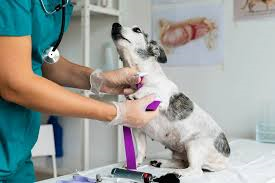
🩸 Treatment May Include:
🩹Fluids – To flush out toxins and rehydrate your pet.
🩹Medications – To manage symptoms like nausea, high blood pressure, or infections.
🩹Special kidney diets – Low in protein, phosphorus, and sodium to reduce kidney strain.
🩹Regular monitoring – Routine checkups to track kidney function and adjust treatment.
💧 Remember: Early treatment can slow the progression of kidney disease and improve your pet’s quality of life.
🌿 How to Prevent Kidney Problems in Pets
Prevention is always better than cure. Protect your pet’s kidneys with these simple steps:
🩺Keep water bowls full and clean.
🩺Feed high-quality, vet-approved food.
🩺Avoid giving human medicine or food without consulting a vet.
🩺Schedule yearly vet checkups — especially for older pets.
🩺Encourage regular exercise to promote blood flow and organ health.
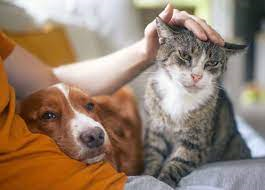
Kidney problems can be scary, but with early detection, proper care, and lots of love, your pet can live a long, comfortable life. Always pay attention to subtle changes in behavior, diet, and energy — your furry friend’s body often gives clues before things get serious.
🐾 Take action today to protect your pet’s kidneys — because prevention starts with awareness!
🔗 Explore More from Our Animal Health Care Blog Series
Want to learn more about keeping your furry companion healthy and happy? 🐶🐱
Check out :https://i4pet.io/blog/